Rubrique

Geopolitics

All the news and in-depth analysis on the topic of geopolitics.

Latest Analysis

Iran-Israel Clashes Fracture Multipolar World Order
Geopolitics

Iran-Israel Clashes Fracture Multipolar World Order

Israel's June 2025 strikes on Iran's nuclear sites have ignited open conflict, exposing fractures in a multipolar global order amid ongoing Russia-Ukraine, Israel-Gaza, and India-Pakistan tensions. Energy markets face 20-30% price spikes from potential multi-front escalations, while nuclear risks and alliance shifts challenge UN centrality. Gulf mediators and transactional pacts signal a privatized diplomacy era, with 15-25% escalation odds threatening GDP growth.

20 MIN
Geopolitics

UN Charter Debate Exposes Fault Lines of Multipolar Chaos

The UN Security Council's May 2026 debate on upholding the UN Charter, under Russia's presidency, lays bare irreconcilable P5 interpretations amid escalating conflicts and alliance shifts. As vetoes paralyze action on Ukraine, Gaza, and Sudan, middle powers rise, sanctions fragment trade, and nuclear constraints lapse, the event signals a pivotal transition to transactional geopolitics, shaving global growth by 0.5-1% per IMF forecasts.

20 MIN
UNSC Charter Debate Exposes Institutional Fracture in Global Order
Geopolitics

UNSC Charter Debate Exposes Institutional Fracture in Global Order

The UN Security Council's May 2026 debate on the UN Charter underscores a profound legitimacy crisis, with permanent members weaponizing the document to justify opposing actions. This reflects an emerging managed bipolarity between major powers, marked by transactional diplomacy and the privatization of mediation by Gulf states. Without renewed arms control or institutional reforms, fragmentation risks accelerating geoeconomic and military instability.

20 MIN
The Charter Debate That Exposes Global Order's Fatal Fractures
Geopolitics

The Charter Debate That Exposes Global Order's Fatal Fractures

As the UN Security Council convenes for its May 2026 ministerial debate on the Charter, competing interpretations of international law reveal a system increasingly paralyzed by geopolitical fragmentation. With vetoes blocking action on Ukraine and Gaza, nuclear arms control collapsing, and major powers pursuing transactional diplomacy over rules-based governance, the multilateral order faces its most existential test since the Cold War.

20 MIN
New START's End Ignites Unchecked Arms Race in 2026
Geopolitics

New START's End Ignites Unchecked Arms Race in 2026

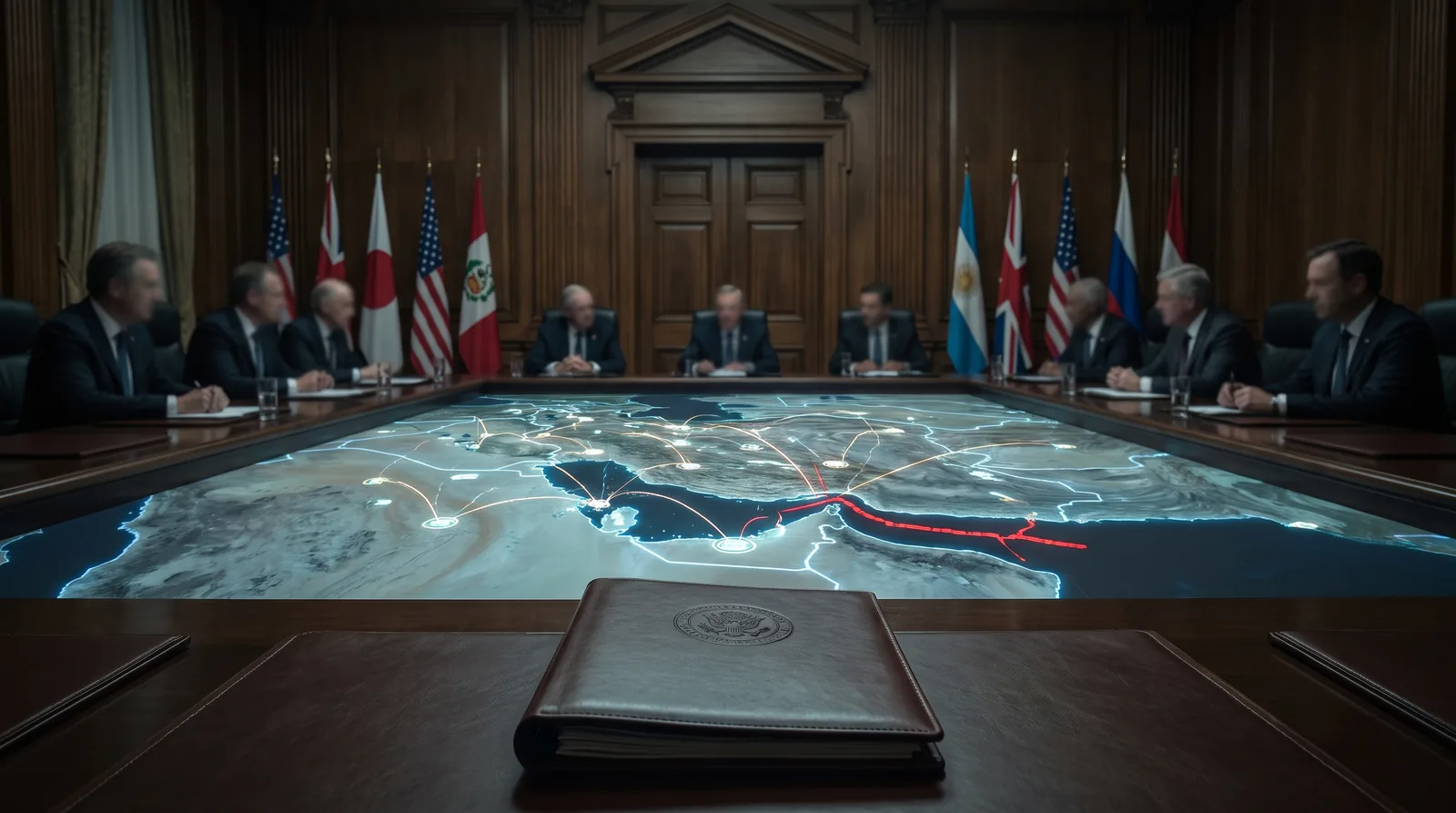
The February 2026 expiration of New START dismantles the last pillar of post-Cold War arms control, unleashing nuclear and tech arms races amid U.S.-Russia-China rivalry. Trump's transactional diplomacy fragments alliances, elevates Gulf mediators, and freezes Ukraine, signaling a multipolar era of calculated brinkmanship. Expert models forecast 20-30% higher conflict risks in flashpoints like Eastern Europe and the South China Sea.

20 MIN

New START's Demise: Dawn of Unchecked Nuclear Arms Race
Geopolitics

New START's Demise: Dawn of Unchecked Nuclear Arms Race

The February 2026 expiration of New START shatters the last restraints on U.S. and Russian nuclear arsenals, holding 87-90% of global warheads, propelling the world into unconstrained escalation. Amid Trump 2.0's alliance fractures and U.S.-China bipolarity, this pivot from arms control to brinkmanship risks multipolar instability, eroding deterrence and amplifying miscalculation in flashpoints from Ukraine to the South China Sea.

20 MIN

Geopolitics

Trump Extends Iran Ceasefire 5 Days as Brent Tops $100 on Hormuz Blockade

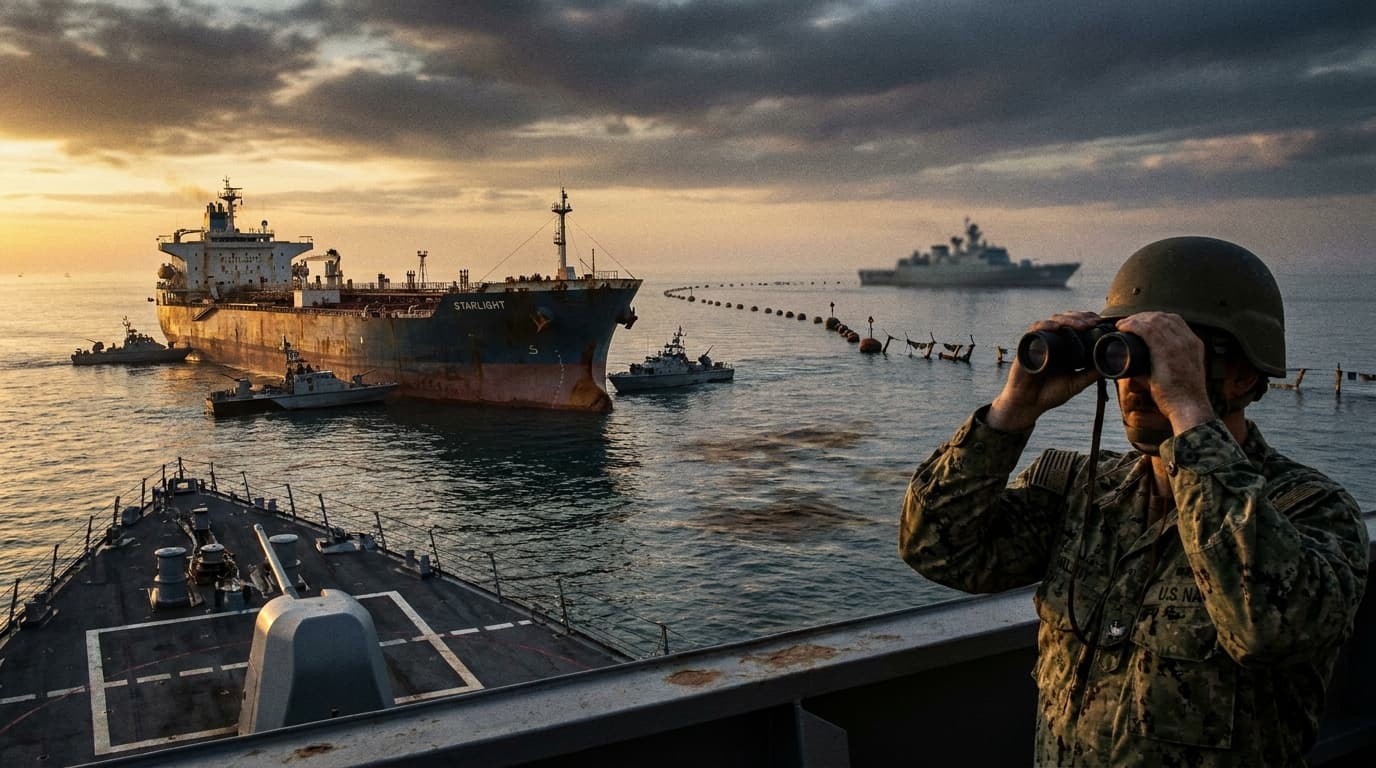
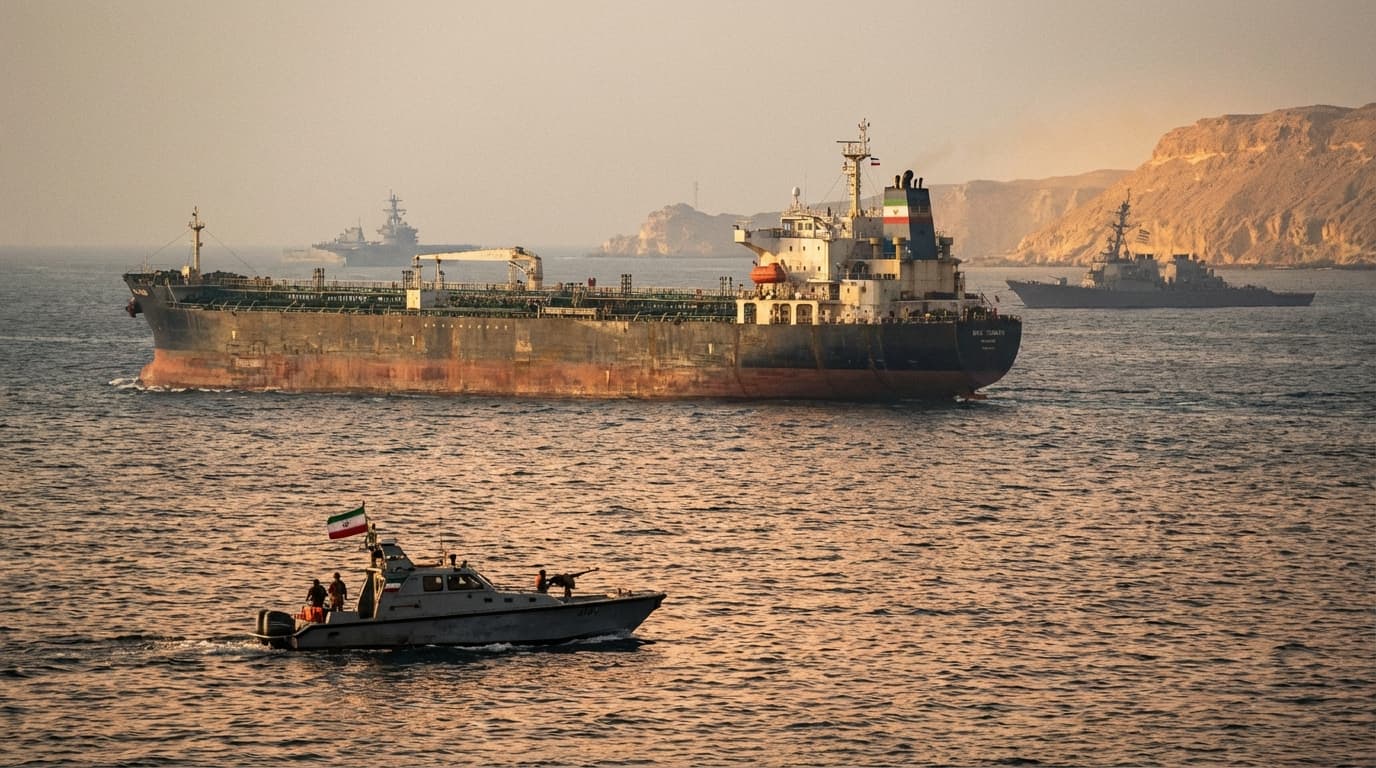
President Trump extended the Iran ceasefire by five days on April 27, 2026, delaying strikes on Iranian energy infrastructure as Pakistan-mediated indirect talks continue. The U.S. naval blockade of the Strait of Hormuz, active since March 4, disrupts 20 million barrels per day or 27% of global maritime oil trade, pushing Brent crude above $100/barrel for the first time since 2022 with a record 64% monthly gain. The International Energy Agency labels it the largest oil market disruption ever.

18 MIN

US Strait of Hormuz Blockade Drives Brent Above $100 After Iran Talks Collapse
Geopolitics

US Strait of Hormuz Blockade Drives Brent Above $100 After Iran Talks Collapse

The US blockade of the Strait of Hormuz, launched April 13 after direct US-Iran talks collapsed on April 12, endangers 20 million barrels of oil daily, or 27% of global maritime petroleum trade. Brent crude surged above $100 per barrel on March 12 for the first time since August 2022, with the International Energy Agency calling it the largest supply disruption in oil market history. Tensions endure despite a nominal two-week ceasefire under Pakistani mediation.

18 MIN

Trump Delays Iran Strikes 5 Days After 15-Point Peace Plan via Pakistan, Brent Falls Below $100
Geopolitics

Trump Delays Iran Strikes 5 Days After 15-Point Peace Plan via Pakistan, Brent Falls Below $100

President Trump delayed strikes on Iranian energy infrastructure by five days following delivery of a 15-point U.S. peace plan via Pakistan, pushing Brent crude below $100 per barrel on April 24. The U.S. naval blockade of the Strait of Hormuz, started April 13, continues amid a nominal two-week ceasefire, blocking 20 million barrels daily or 27% of global maritime oil trade. U.S. stocks hit records on April 24 amid diplomatic optimism.

18 MIN

US Strait of Hormuz Blockade Bolstered by Third Carrier as Brent Nears $120 Amid Iran Standoff
Geopolitics

US Strait of Hormuz Blockade Bolstered by Third Carrier as Brent Nears $120 Amid Iran Standoff

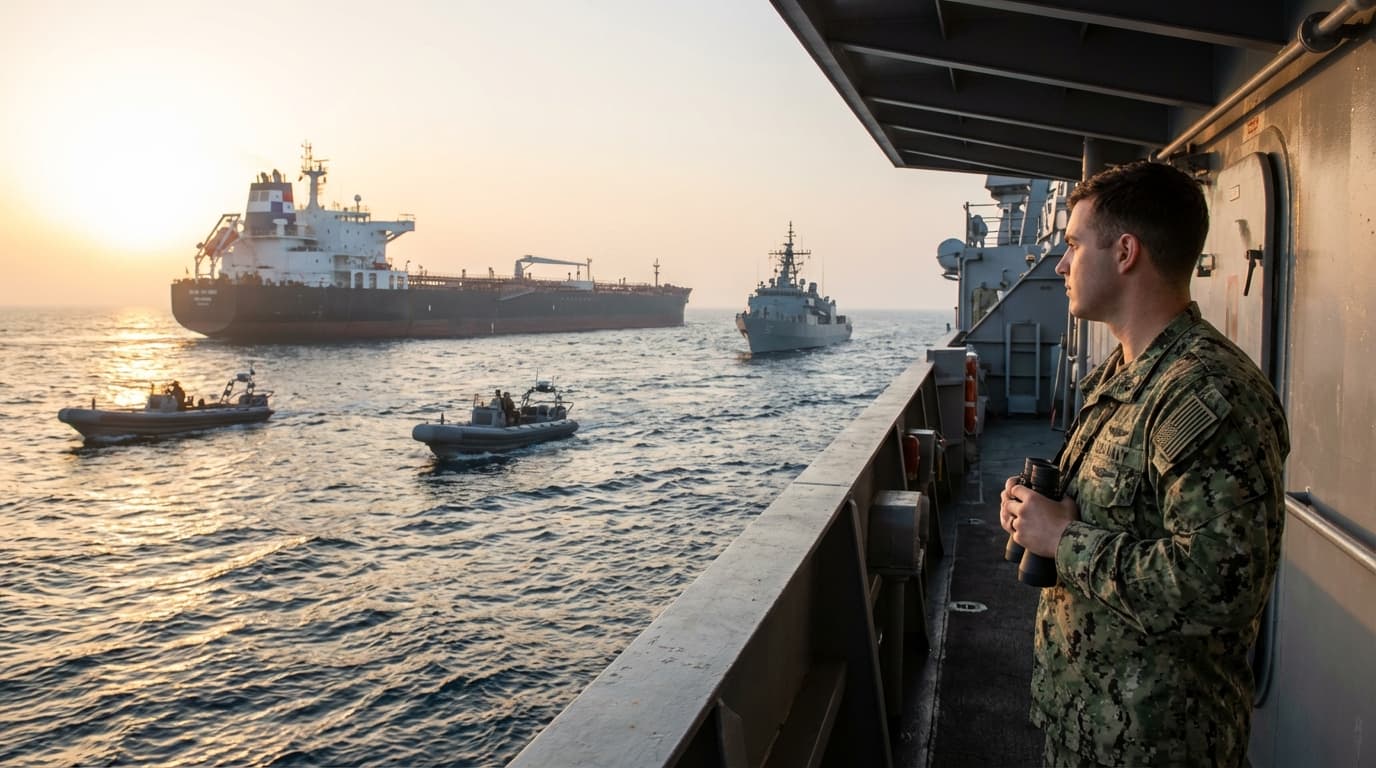
The US naval blockade of the Strait of Hormuz, imposed April 13, has turned back 33 vessels in its first week, per Central Command. Brent crude surges toward $120 per barrel following a 64% March gain, the highest since 1988. Washington’s deployment of three carrier strike groups enforces access to the route carrying 27% of global seaborne oil trade while advancing diplomatic leverage.

18 MIN

Hormuz Closure Drives Brent Above $100/Barrel as Trump Delays Strikes for Talks
Geopolitics

Hormuz Closure Drives Brent Above $100/Barrel as Trump Delays Strikes for Talks

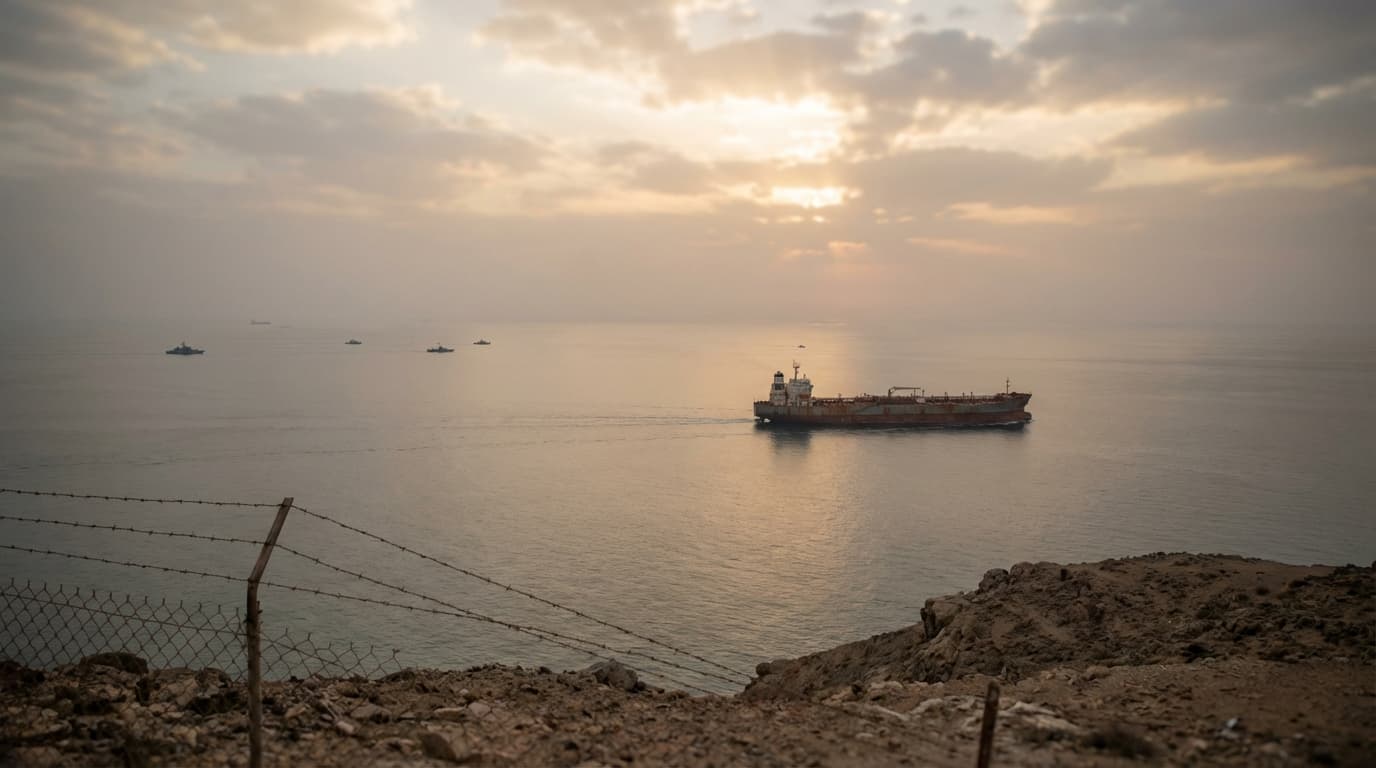
Iran closed the Strait of Hormuz on March 4, blocking 20 million barrels of oil per day or 27% of 2024 global maritime petroleum trade. Brent crude closed above $100/barrel on March 12 - the first since August 2022 - with a record 64% monthly gain per LSEG data. President Trump postponed strikes on Iranian energy infrastructure for five days on March 21 pending talks, as the IEA labels this the largest oil market disruption in history.

18 MIN

US Hormuz Blockade Pushes Brent Over $100 as 40 Allies Plan B for 20M Barrels/Day Channel
Geopolitics

US Hormuz Blockade Pushes Brent Over $100 as 40 Allies Plan B for 20M Barrels/Day Channel

The Trump administration imposed a military blockade on Iranian ports, restricting traffic through the Strait of Hormuz, which carries 20 million barrels of oil daily or 27% of global maritime petroleum trade. Brent crude surged past $100 per barrel, deemed the largest disruption in global oil market history by the IEA. Over 40 U.S. allies, convened by the UK, are developing a Plan B blending diplomacy, sanctions, and military operations to secure the channel.

18 MIN

Trump Issues Stone Age Ultimatum to Iran Post-Hormuz Ceasefire Failure, Brent at $97, Dow -2.3%
Geopolitics

Trump Issues Stone Age Ultimatum to Iran Post-Hormuz Ceasefire Failure, Brent at $97, Dow -2.3%

The 14-day US-Iran ceasefire brokered by Pakistan and China on April 7 frays under President Trump’s April 10 ultimatum to revert Iran to the Stone Age unless it clears the Strait of Hormuz. Brent crude rebounds to $97/barrel after a 14% drop, with the Dow 2.3% below January peaks amid geopolitical volatility. Operation Epic Fury inflicted 1,444 Iranian fatalities and disrupts 27% of global seaborne oil trade.

18 MIN
Hormuz Closure Drives Brent to $120/Barrel Amid Fragile US-Iran Ceasefire
Geopolitics

Hormuz Closure Drives Brent to $120/Barrel Amid Fragile US-Iran Ceasefire

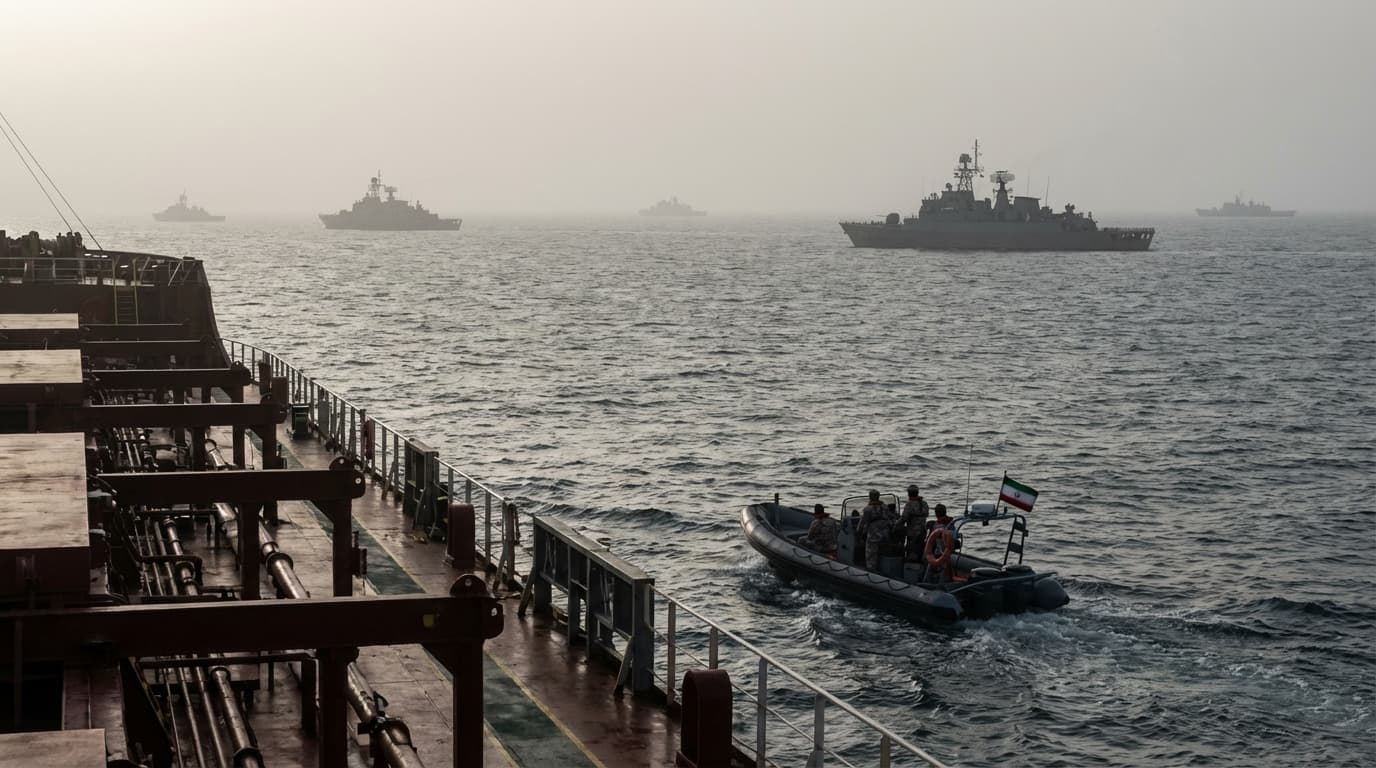
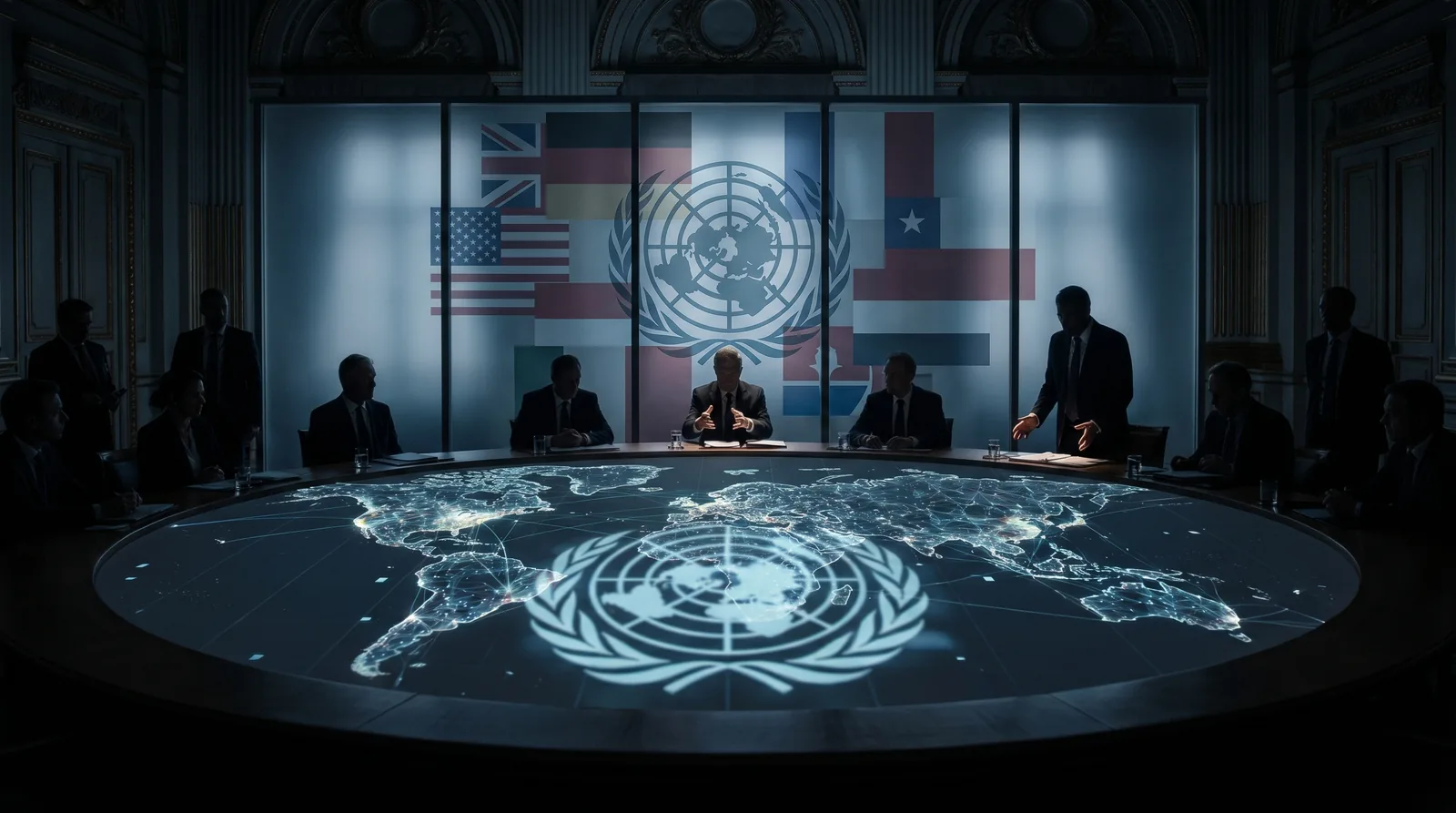
Strait of Hormuz closure since March 4, 2026, halts 20 million barrels/day, or 27% of global maritime oil trade, surging Brent crude to $120/barrel with a record 64% March gain. Despite a US-brokered temporary ceasefire on April 8, Iran restricts transit to 5 ships daily versus 80 pre-war, charging over $1 million tolls per vessel. US money markets draw $8 trillion in safe-haven flows as North American producers gain from the supply shock.

18 MIN

    VANTAGE | Intelligence for In-depth Analysis