Rubrique

Politics

All the news and in-depth analysis on the topic of politics.

Latest Analysis

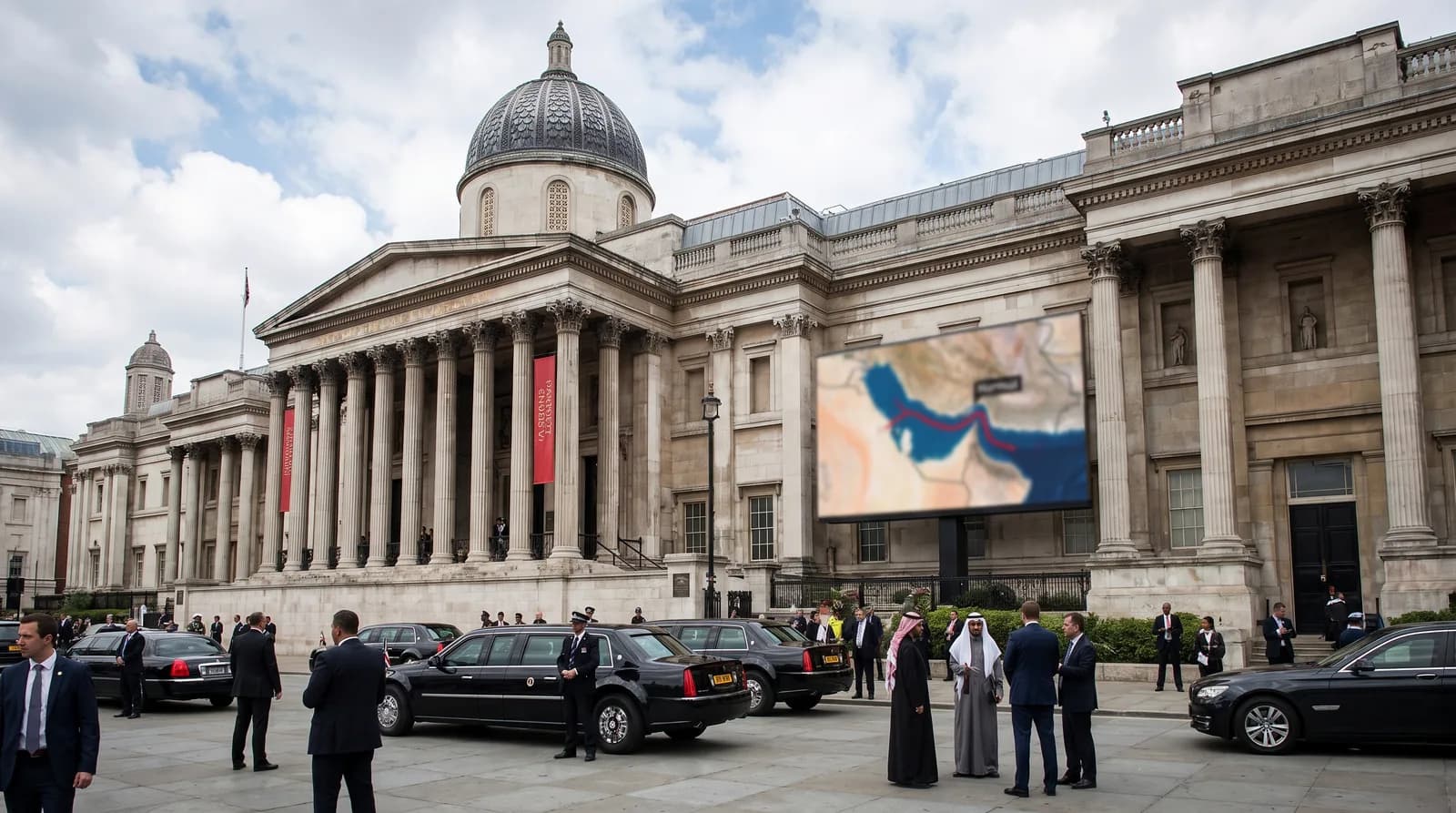
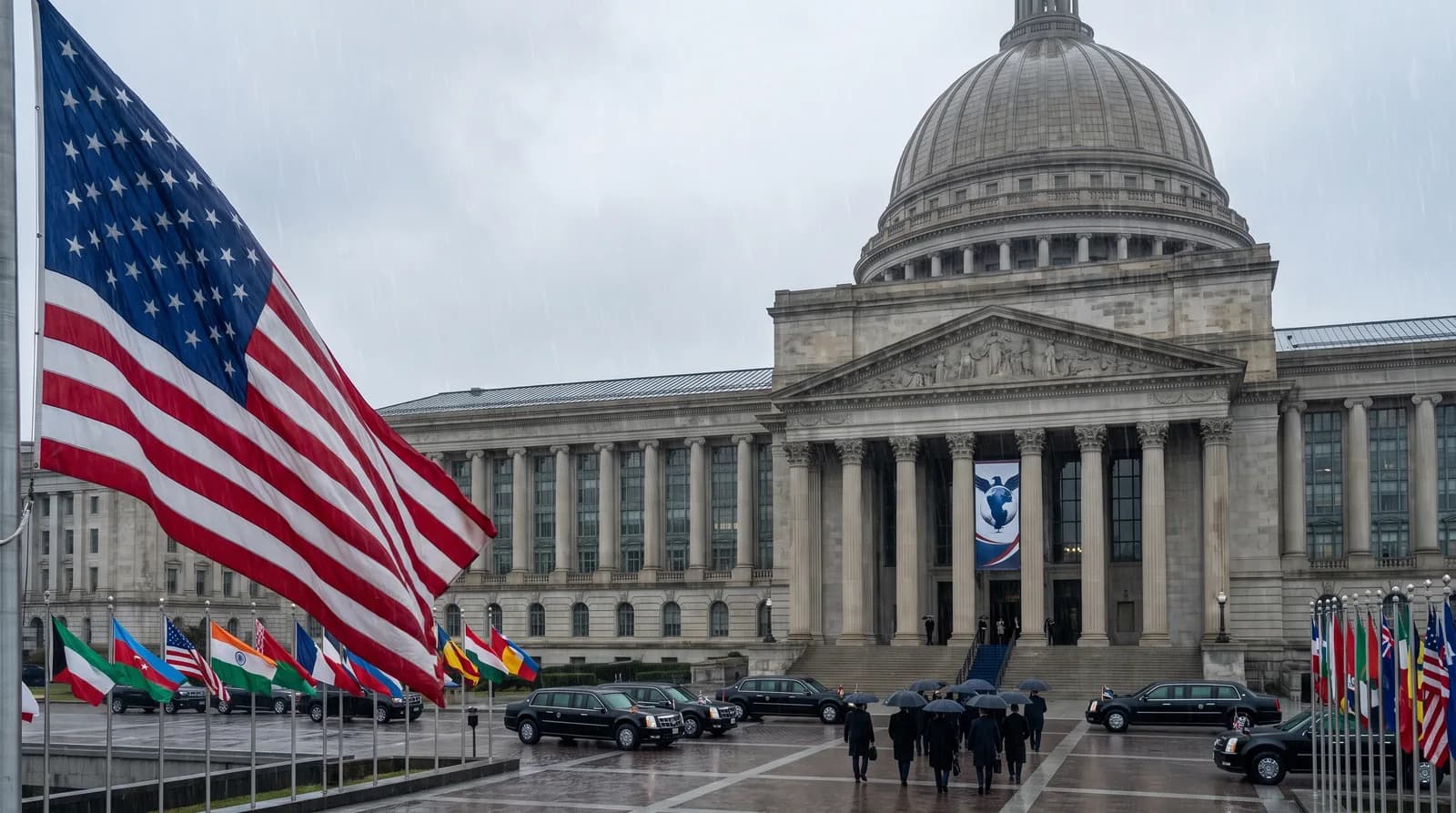
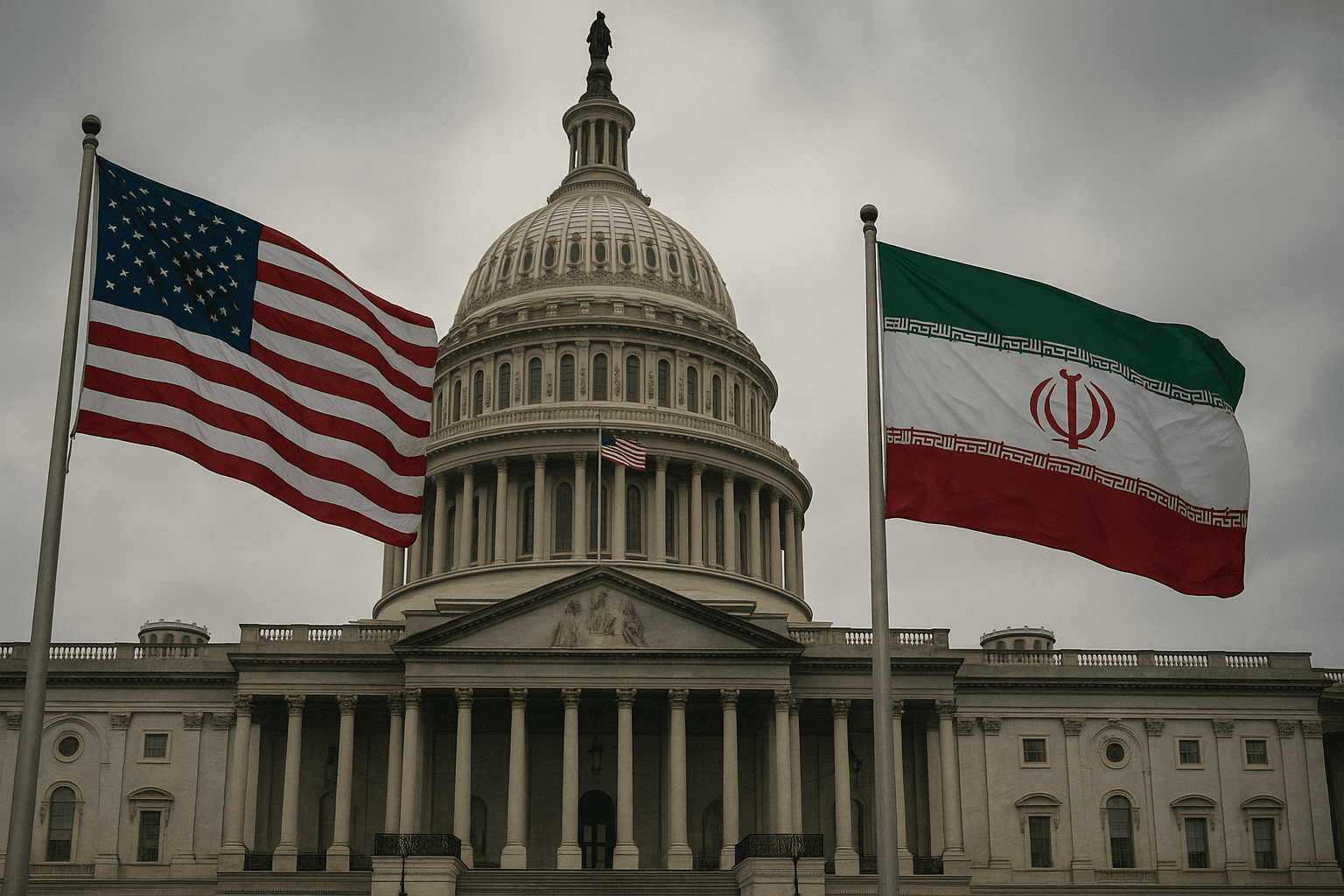
The Hormuz Collapse: Polycentric Fragility and the End of Hydrocarbon Safety
Politics

The Hormuz Collapse: Polycentric Fragility and the End of Hydrocarbon Safety

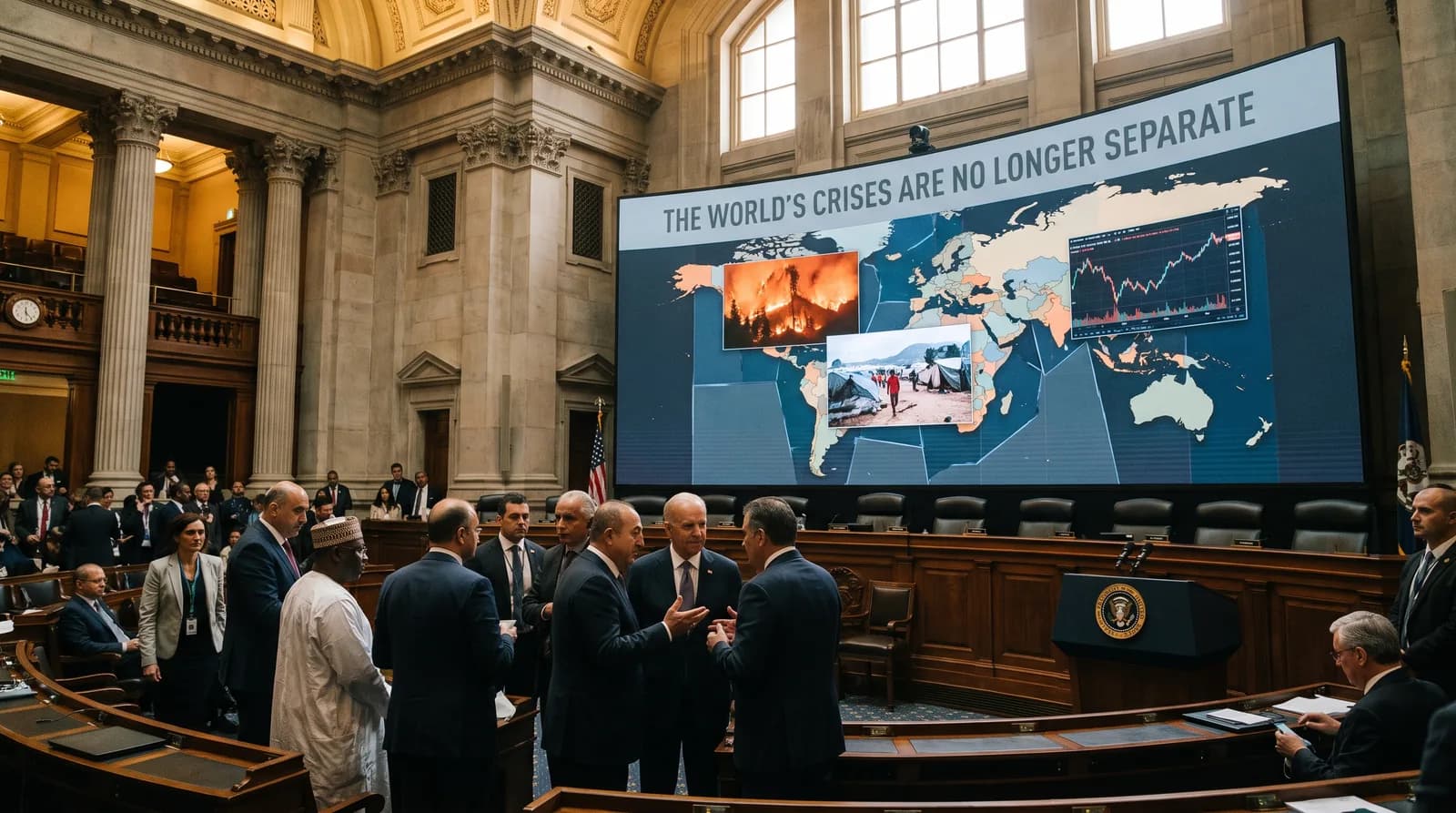
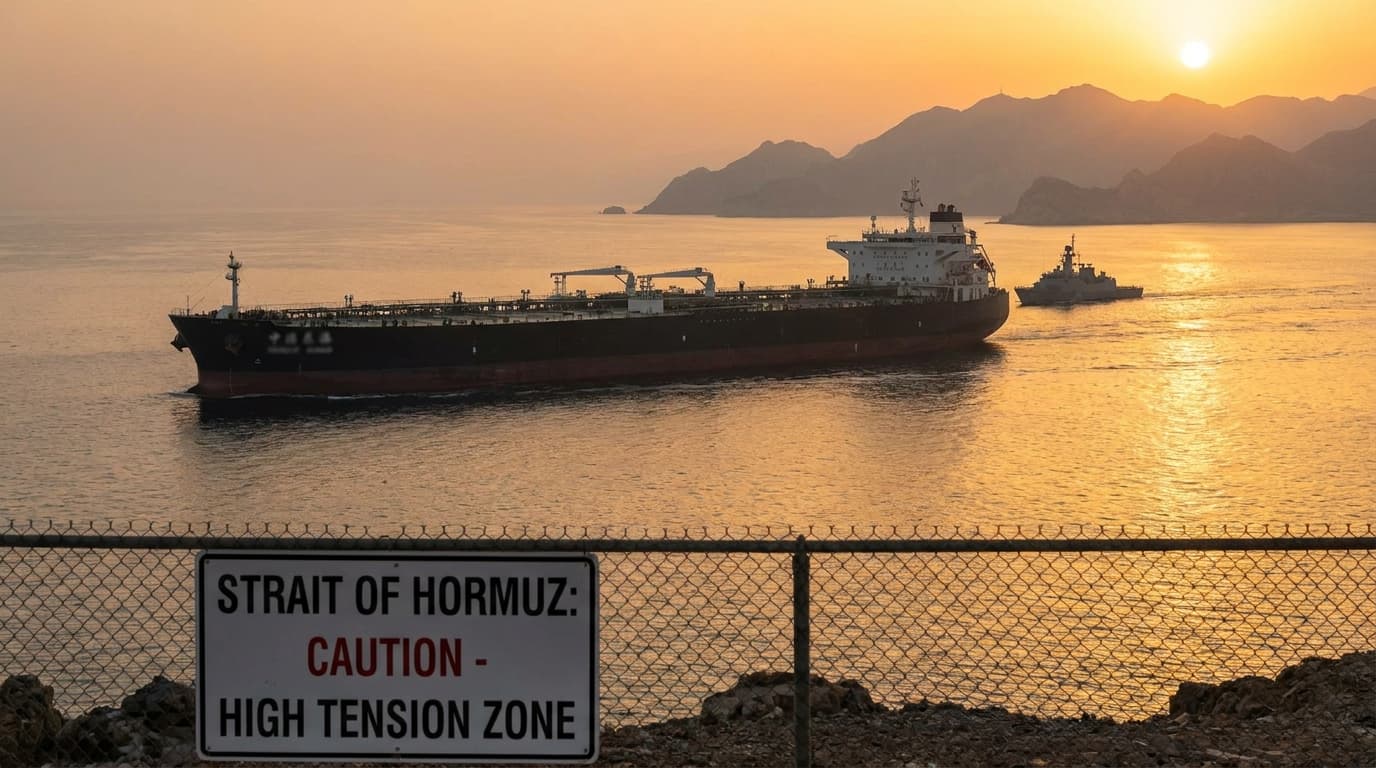
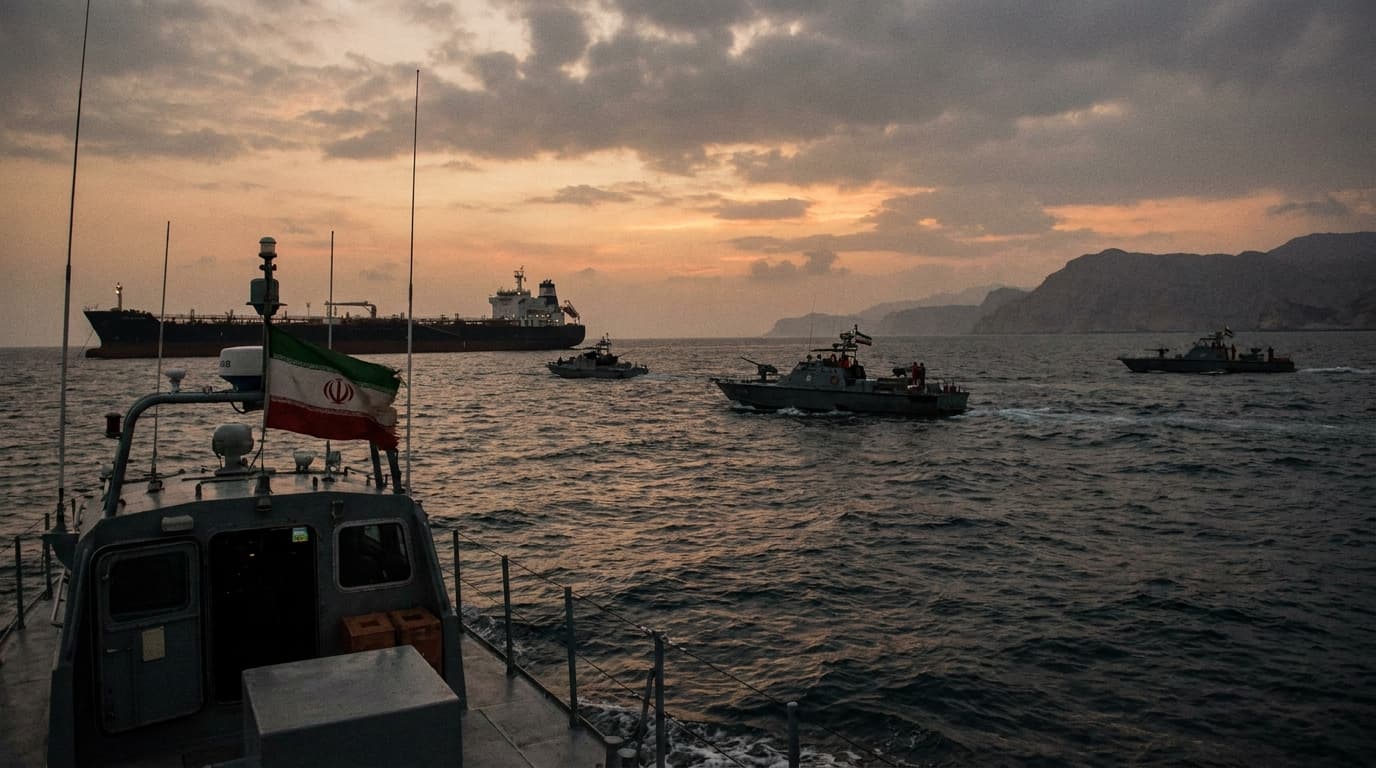
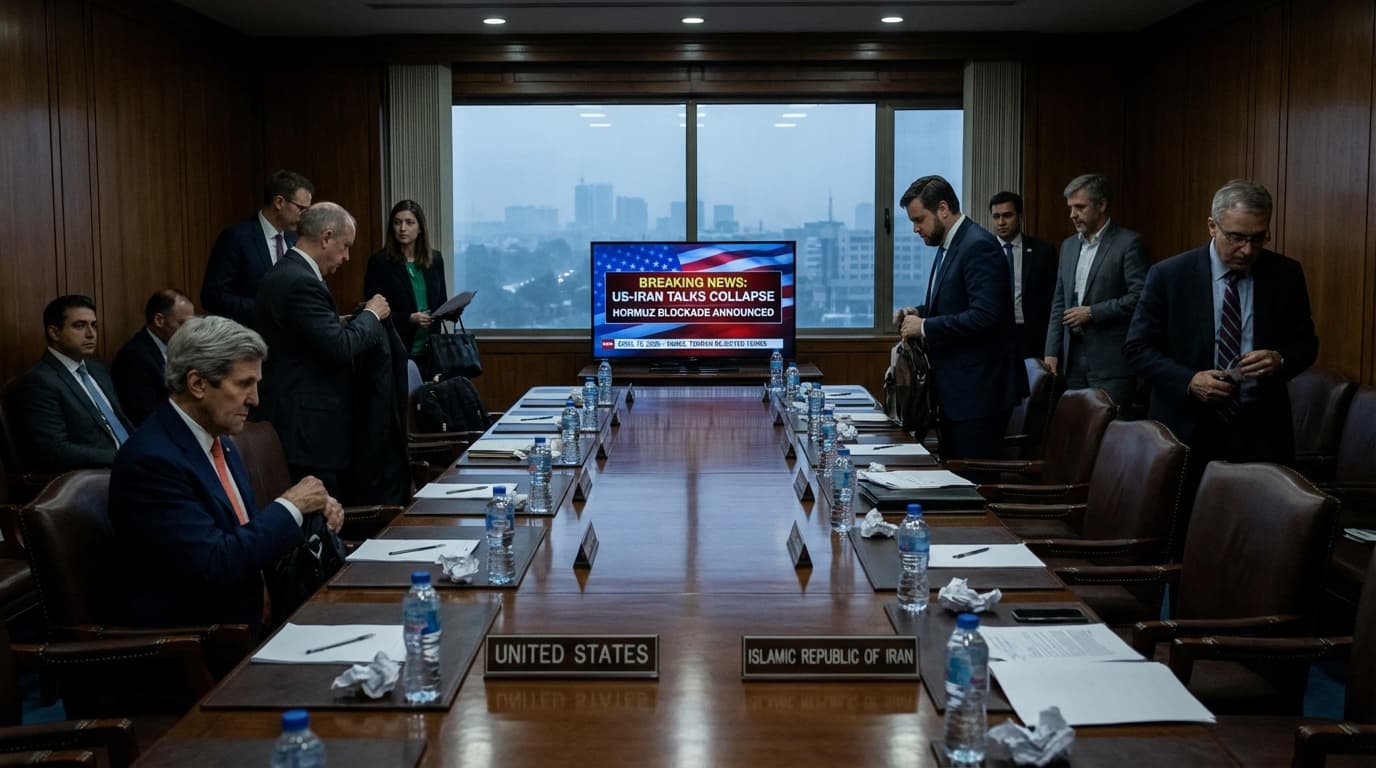
The catastrophic failure of the June 17 U.S.-Iran MOU has functionally closed the Strait of Hormuz, shattering the interim ceasefire and triggering a direct military escalation that redefines global energy liquidity. This event marks a structural turning point from fragile diplomacy to high-intensity conflict, forcing a violent capital reallocation toward hard assets and defense equities as the illusion of sovereign debt safety evaporates. The crisis confirms 2026 as a global power shift year where a polycentric, fragile order replaces the old multipolar stability.

20 MIN
Hormuz Collapse Ends Maritime Guarantees, Forcing Polycentric World Order
Politics

Hormuz Collapse Ends Maritime Guarantees, Forcing Polycentric World Order

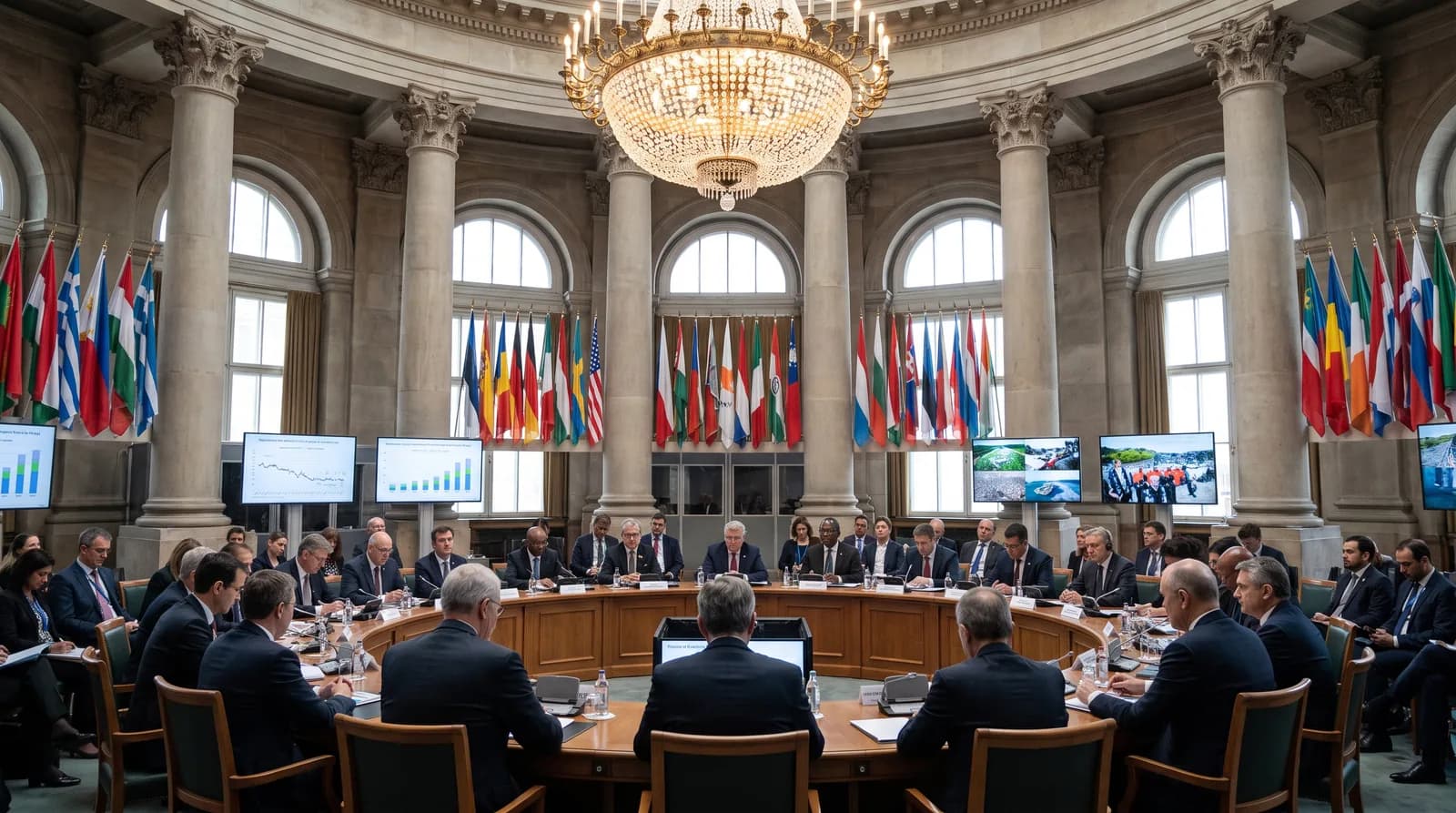
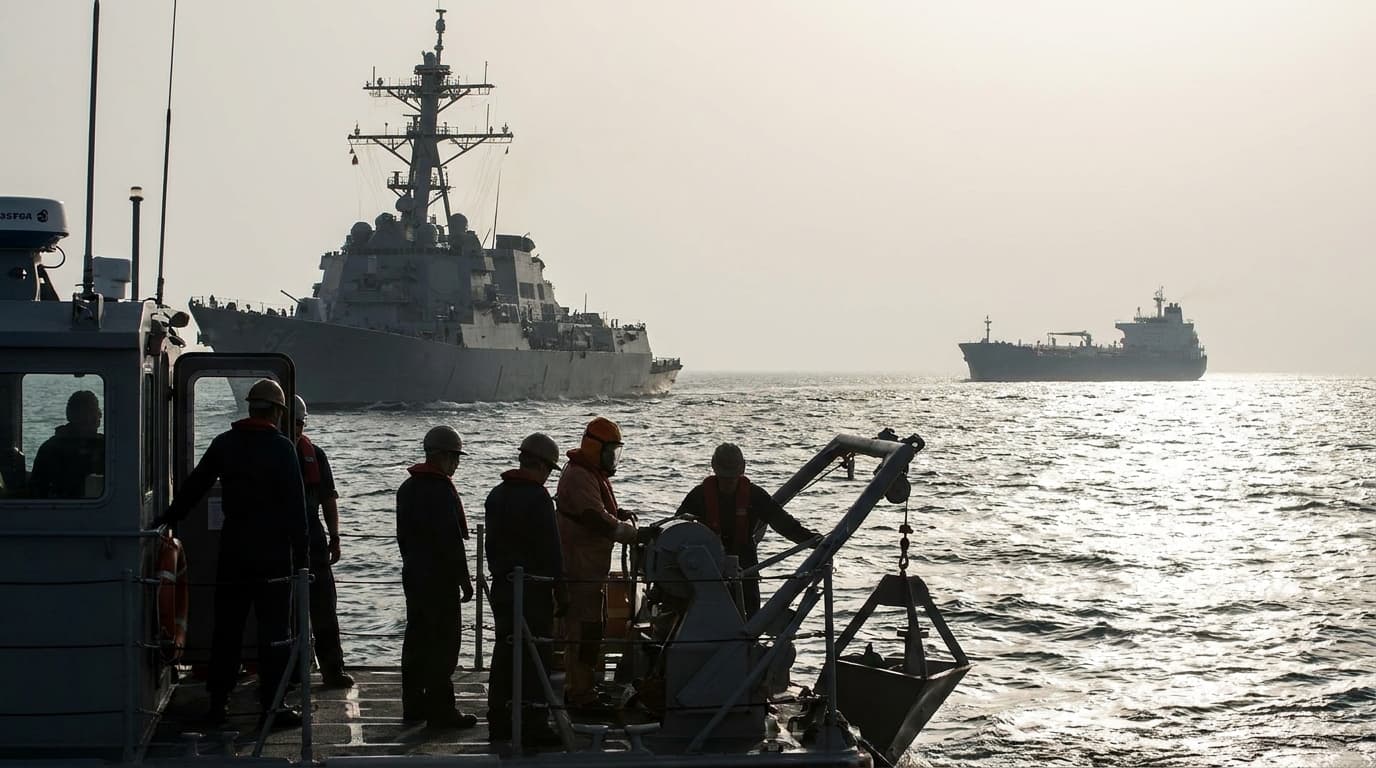
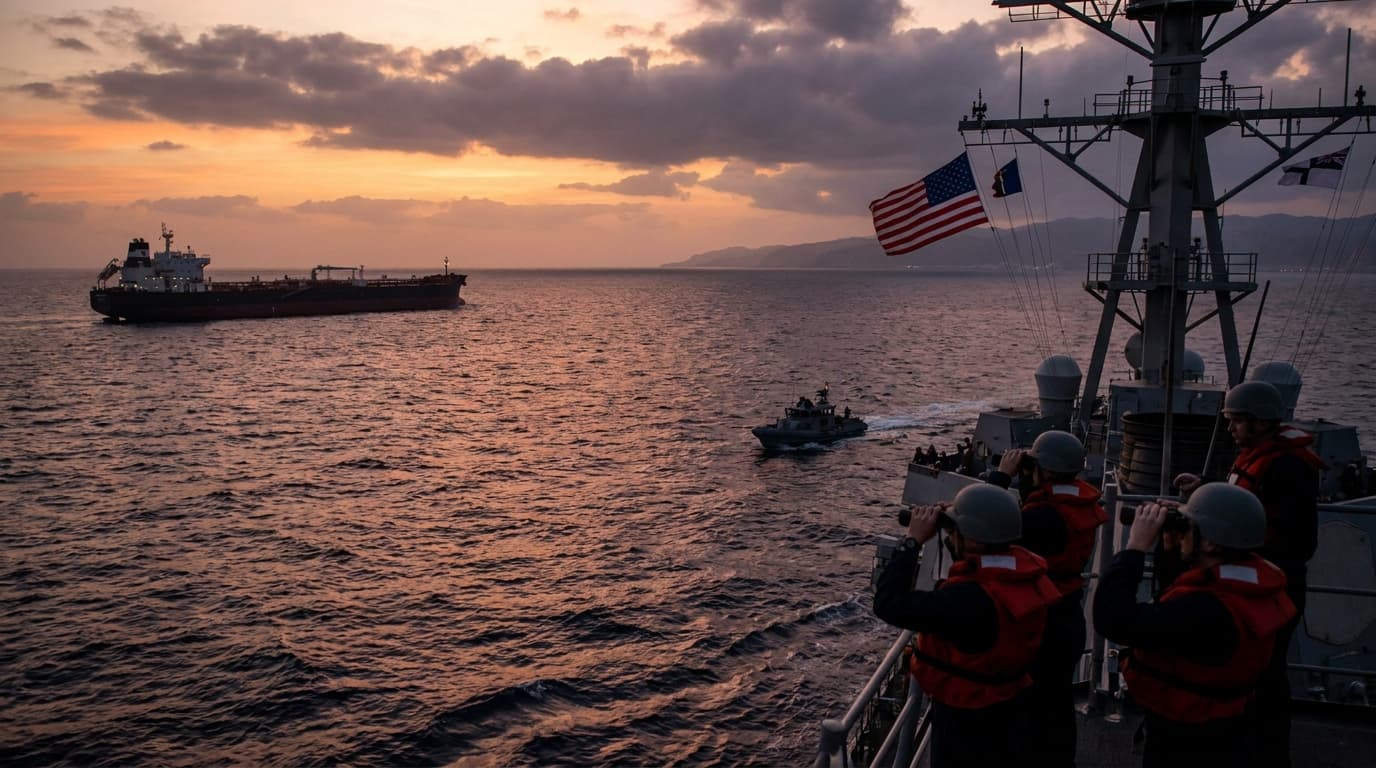
The functional closure of the Strait of Hormuz has shattered the post-1945 maritime security guarantee, triggering a kinetic U.S.-Iran war and forcing a permanent re-pricing of global energy and defense architectures. This systemic rupture marks the definitive end of U.S. hegemony, accelerating a shift toward fortified, resource-driven blocs in a polycentric world where trade is fragmented and security is regionalized [4][5][6].

20 MIN
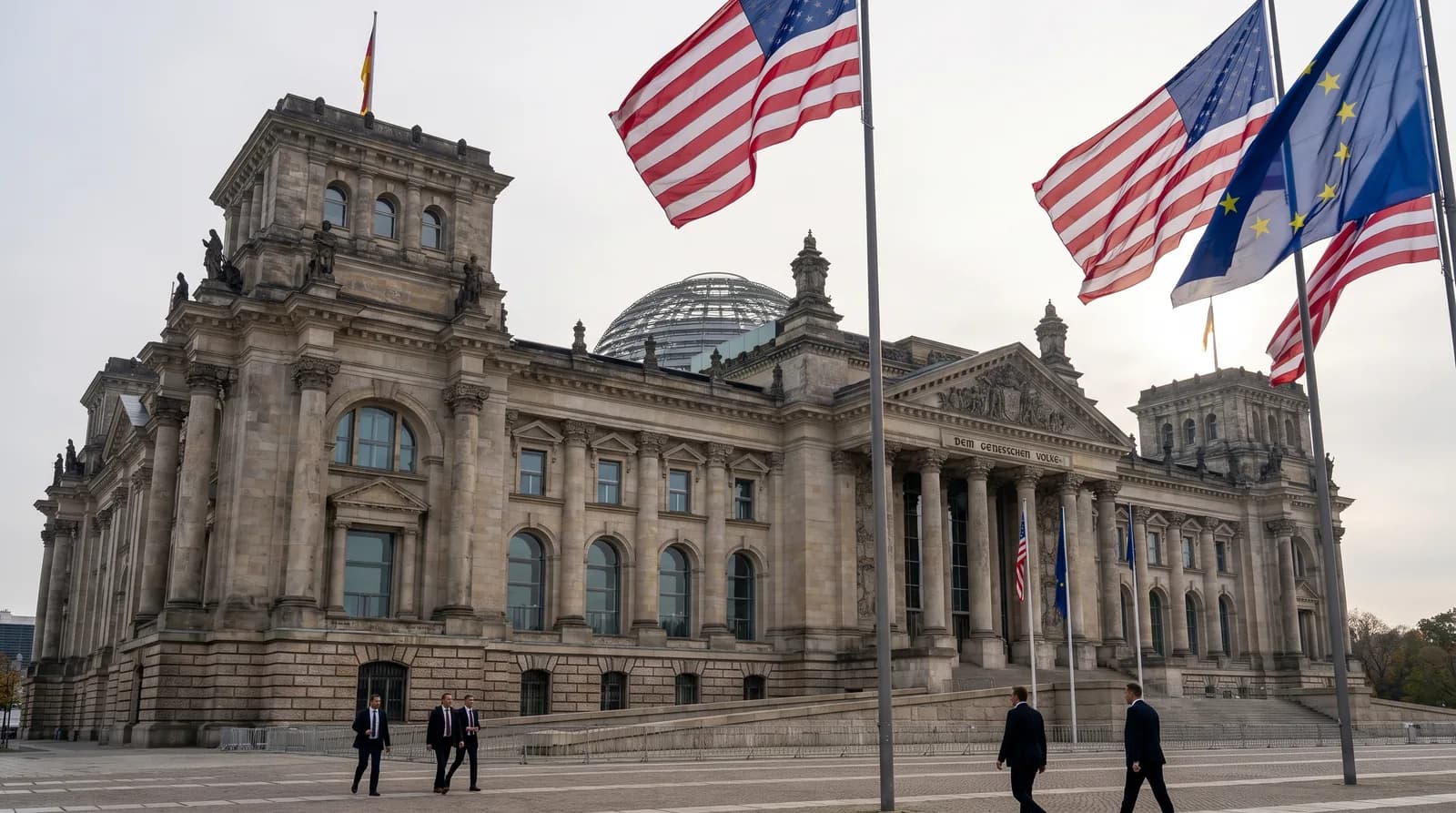
The US Order Ends: Fragmented Multipolarity Reshapes Global Power
Politics

The US Order Ends: Fragmented Multipolarity Reshapes Global Power

The post-WWII US-centric system is collapsing under the weight of aggressive economic nationalism and rising alternative alliances, forging a fragmented multipolar order where security and resilience supersede efficiency. This fundamental restructuring weaponizes dependencies, turning critical minerals and trade routes into geopolitical leverage while undermining WTO norms and forcing a global realignment of capital and power.

20 MIN
The End of Liberal Order: How US Nationalism Fragmented the World
Politics

The End of Liberal Order: How US Nationalism Fragmented the World

2026 marks a definitive tipping point where the post-WWII liberal consensus collapses, replaced by a fragmented multipolar order driven by aggressive US economic nationalism and unprecedented interventions in Latin America. This systemic realignment shatters global trade norms, accelerates the rise of security-driven bilateral blocs, and forces nations to prioritize resilience over efficiency, creating a volatile era of strategic uncertainty.

20 MIN
US Capture of Maduro Signals End of US-Centric Global Order
Politics

US Capture of Maduro Signals End of US-Centric Global Order

The unprecedented US military capture of Venezuelan President Nicolás Maduro marks a definitive rupture in the US-centric global order, replacing diplomatic containment with direct economic nationalism and transactional interventionism. This systemic shift, crystallized by the impending expiry of temporary US tariffs on July 24, heralds a fluid multipolarity where security dictates trade and mid-sized nations actively hedge against American volatility. The convergence of military force in Latin America and the dismantling of WTO norms signals a permanent transition to a fragmented world of high and persistent market volatility.

20 MIN
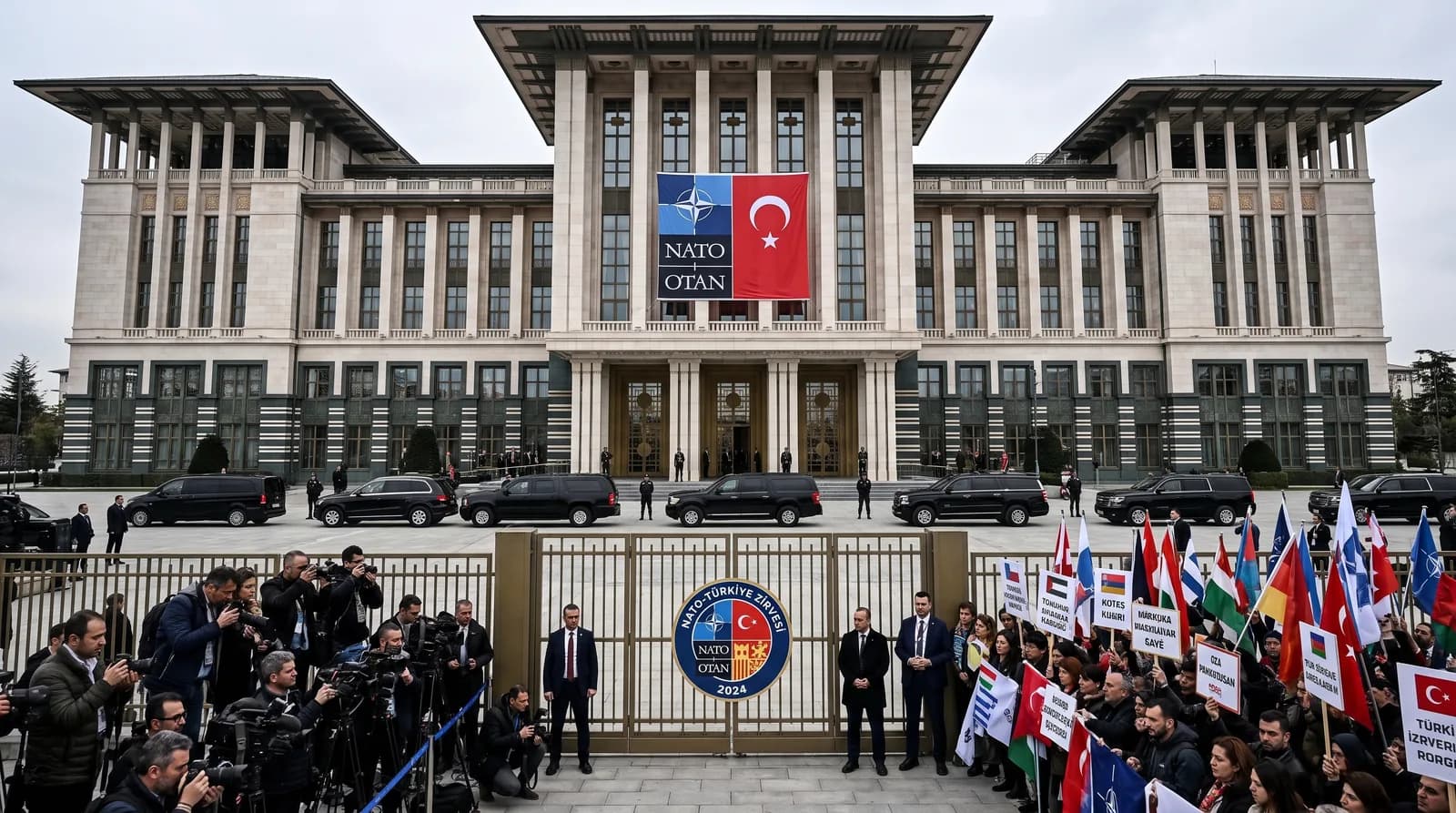
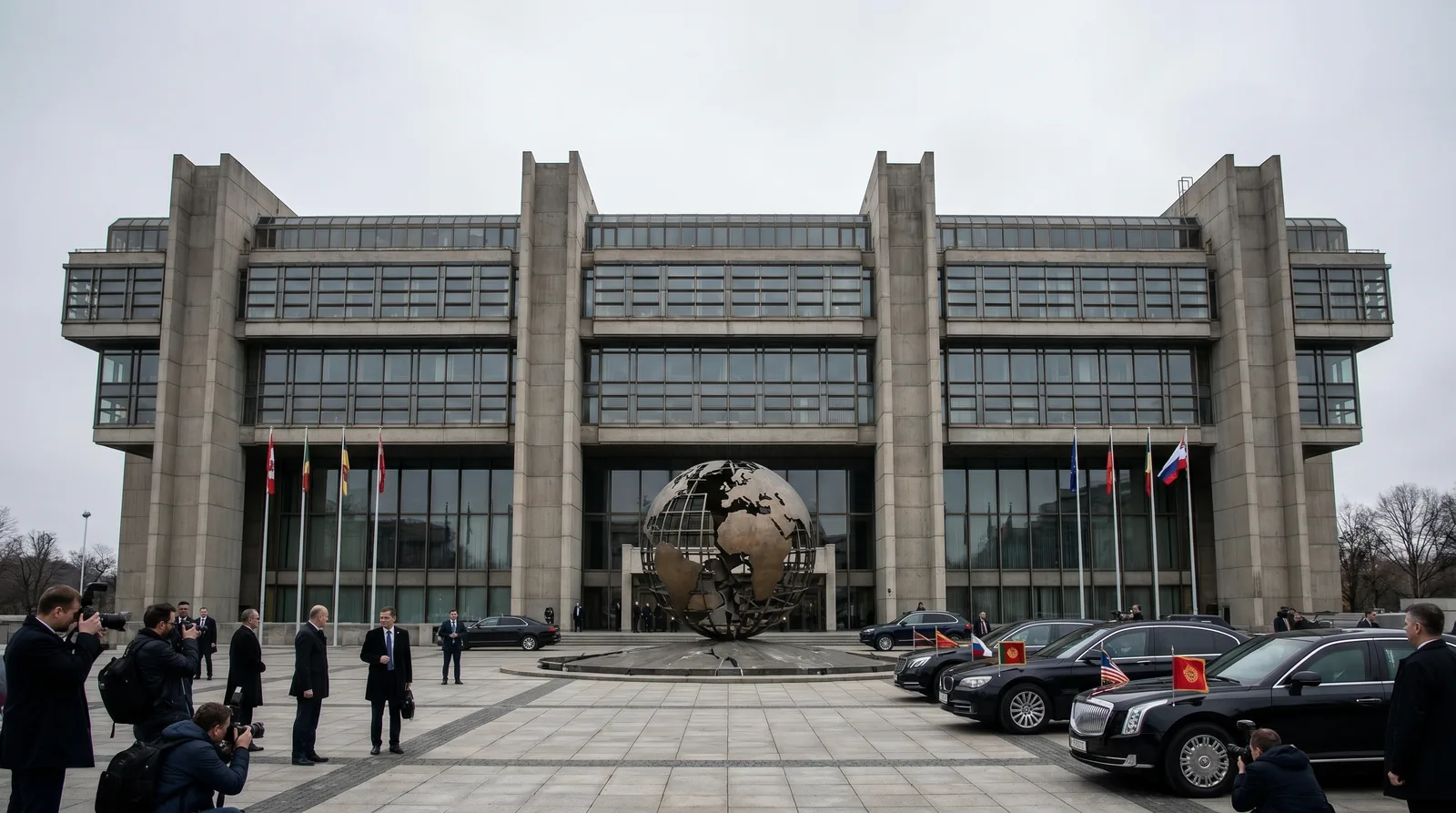
NATO Turkiye Summit: The End of Automatic Consensus and Rise of Multipolar Chaos
Politics

NATO Turkiye Summit: The End of Automatic Consensus and Rise of Multipolar Chaos

The upcoming NATO summit in Turkiye serves as a critical stress test for alliance cohesion amid deepening transatlantic divisions over burden-sharing and US actions. This event marks a structural transition toward a multipolar, less predictable security environment where traditional alliances are contested and resource security defines power. The systemic implication is a reconfiguration of global order driven by economic nationalism, energy insecurity, and geopolitical rivalry.

20 MIN
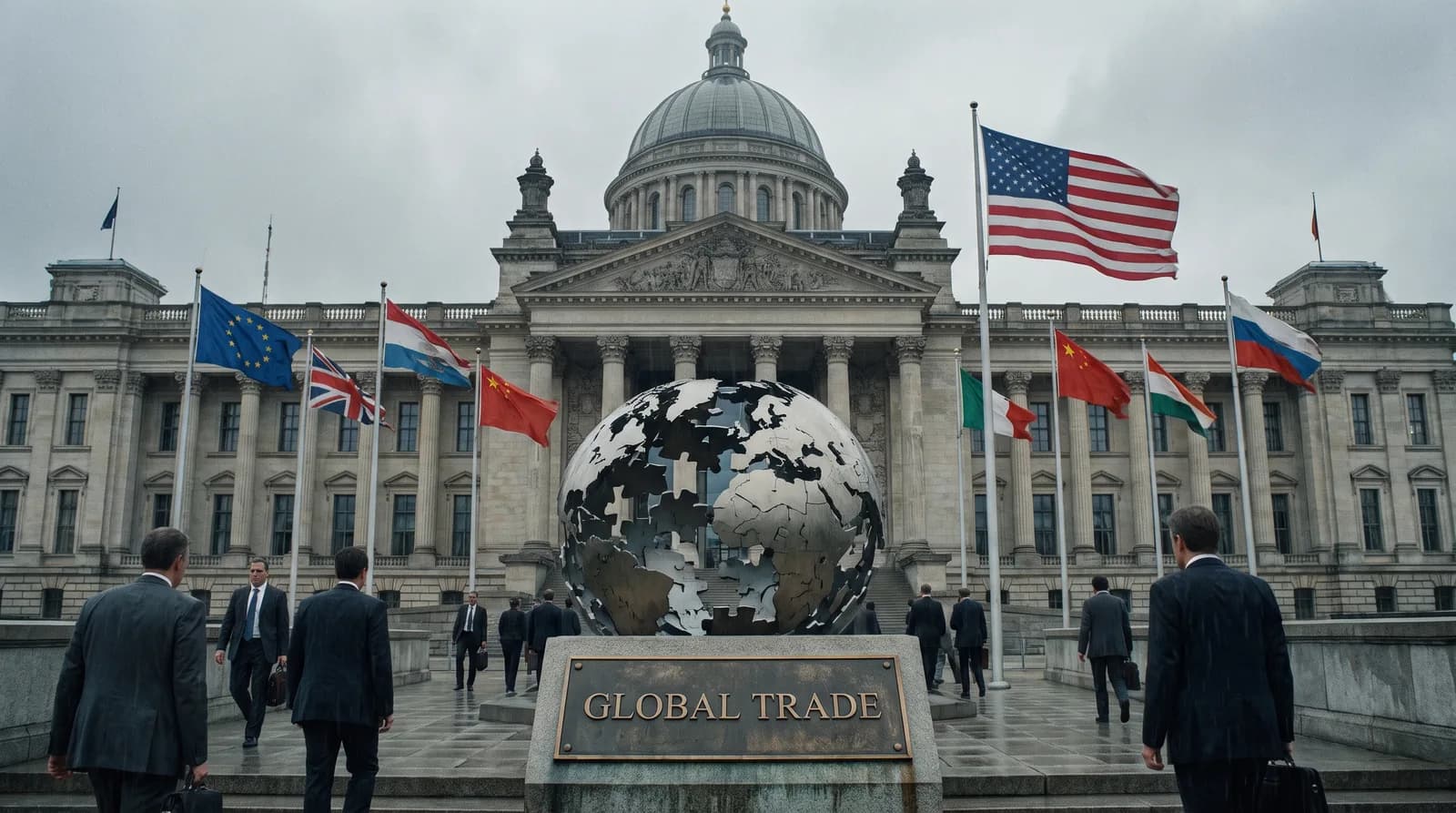
The 2026 Collision: US Economic Nationalism vs. Global Order
Politics

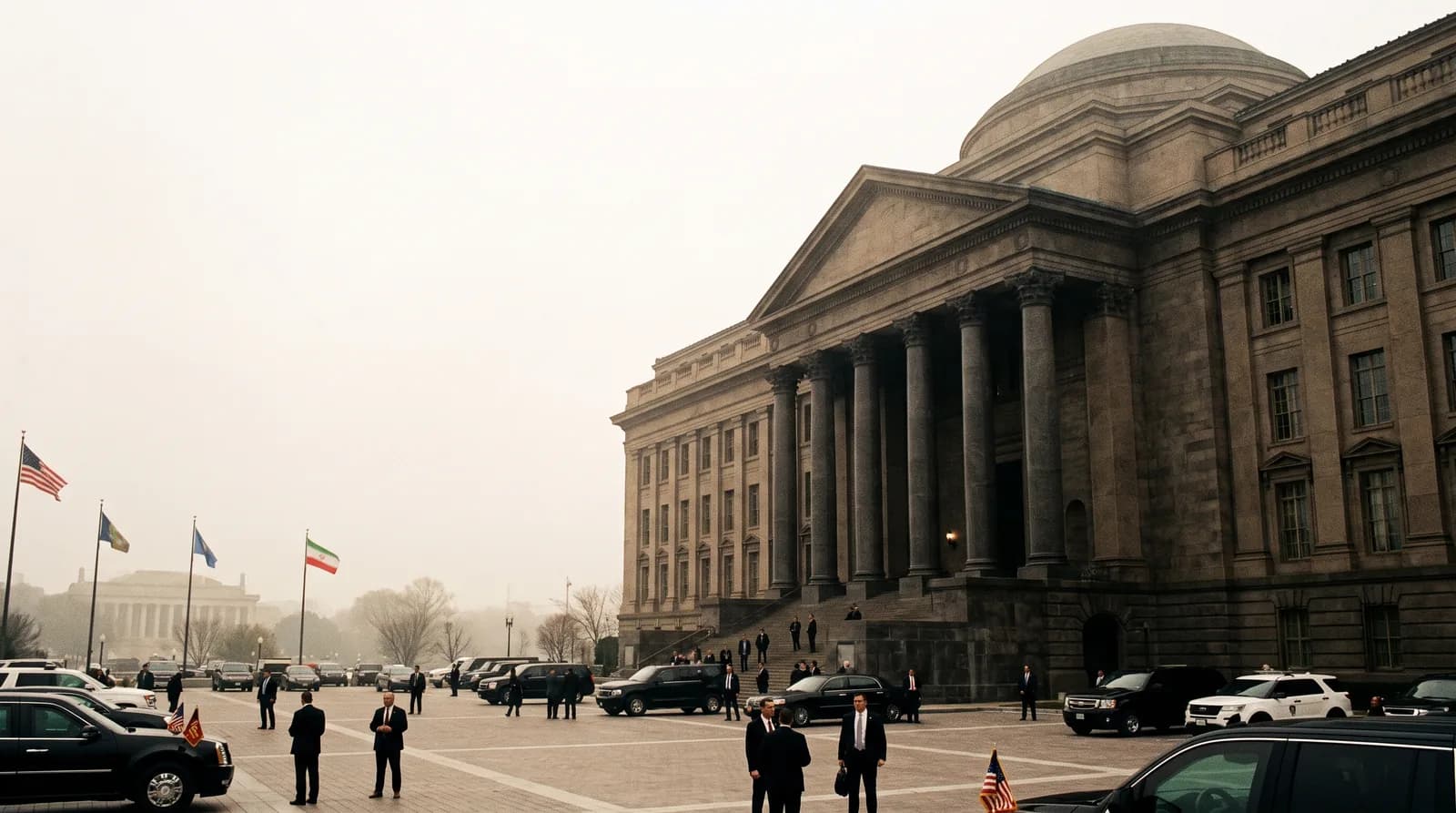
The 2026 Collision: US Economic Nationalism vs. Global Order

In 2026, the fusion of Washington's muscular interventionism with global economic nationalism is shattering the state-market relationship, triggering a direct collision between the EU and China while accelerating US assertiveness in Latin America and the Middle East. This systemic shift replaces efficiency with security, weaponizing supply chains and fracturing the global economy into competing blocs defined by geopolitical alignment rather than cost.

20 MIN
Madoura Capture: How US Muscular Nationalism Redefines the Multipolar Era
Politics

Madoura Capture: How US Muscular Nationalism Redefines the Multipolar Era

The dramatic capture of Venezuelan leader Nicolás Maduro by US forces signals a decisive return to muscular economic nationalism and a US-led acceleration of a multipolar world. This event marks the end of passive engagement in Latin America, reshaping global trade, alliances, and security frameworks as the US and China vie for dominance while Europe and the Global South wield new influence in a fragmented landscape.

20 MIN
The End of US Unipolarity: How 2026 Fragments the Global Order
Politics

The End of US Unipolarity: How 2026 Fragments the Global Order

2026 marks the decisive collapse of the US-centric global order, replaced by a fractured multipolar system driven by American economic nationalism and rising middle powers. Transatlantic alliances are rupturing while critical mineral wars and regional realignments in Latin America and the Middle East redefine security. The era of laissez-faire globalization is dead, ushering in a volatile decade where state power dictates market outcomes.

20 MIN
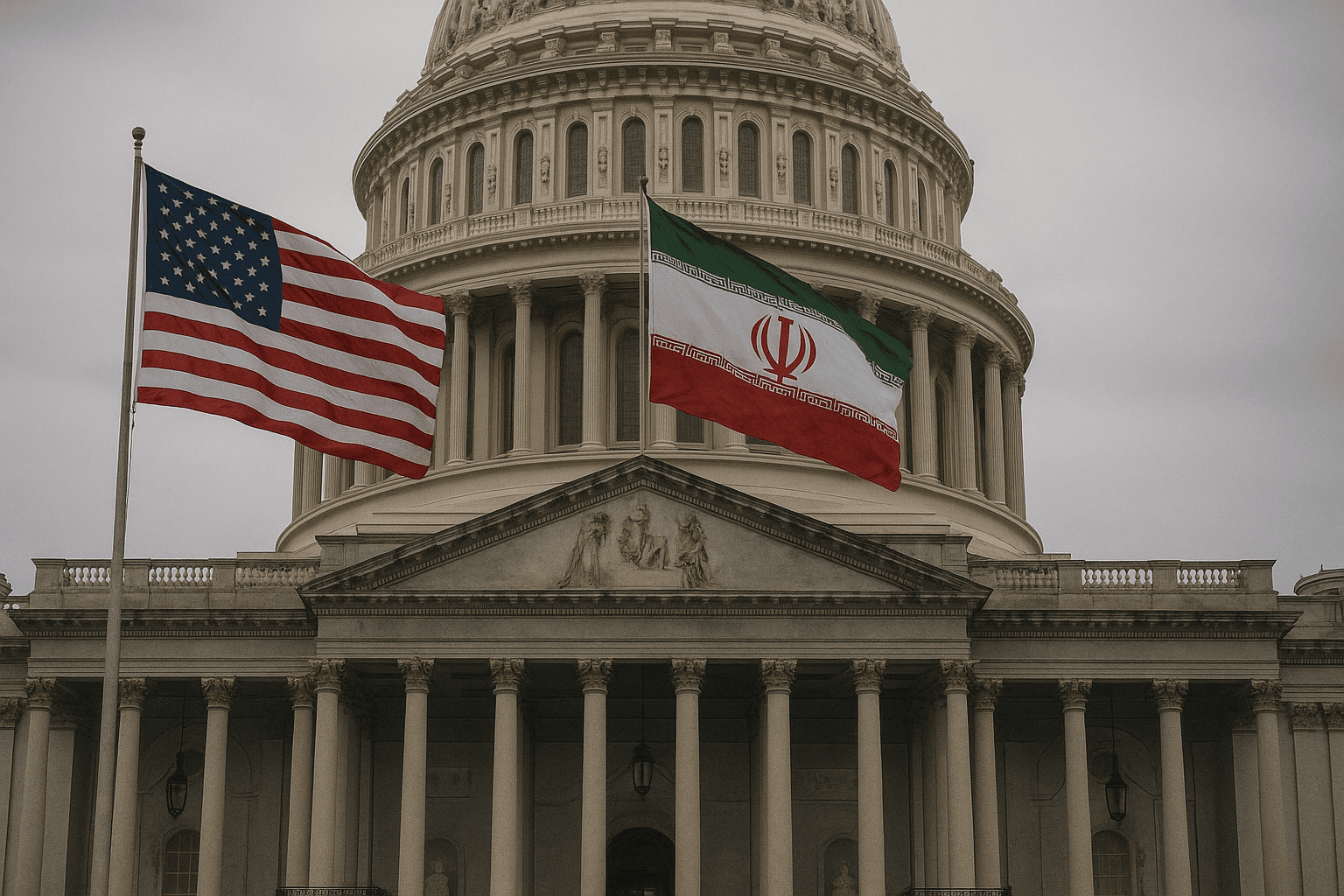
US-Iran Stalemate Fractures Global Alliances and Markets
Politics

US-Iran Stalemate Fractures Global Alliances and Markets

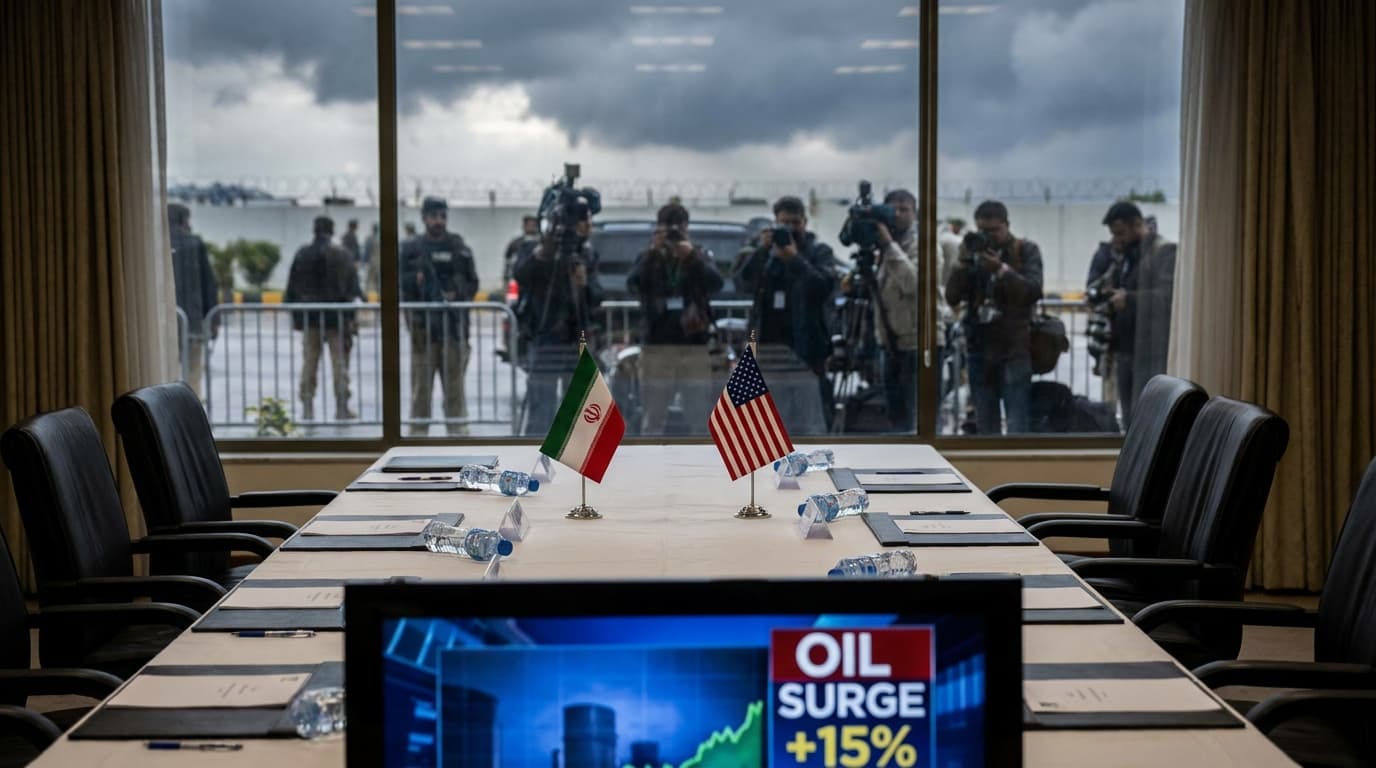
The US-Iran conflict, now in stalemate after a fragile April ceasefire, disrupts the Strait of Hormuz, propelling oil above $100/bbl and testing alliance cohesion worldwide. This brinkmanship exposes vulnerabilities in energy supply chains, accelerates multipolar realignments, and forces governments to balance security with economic stability. Policymakers face a narrow window to avert systemic shocks amid converging geopolitical tensions.

20 MIN
Russia's Victory Day Parade: Symbolic Resilience Amid Systemic Fragmentation
Politics

Russia's Victory Day Parade: Symbolic Resilience Amid Systemic Fragmentation

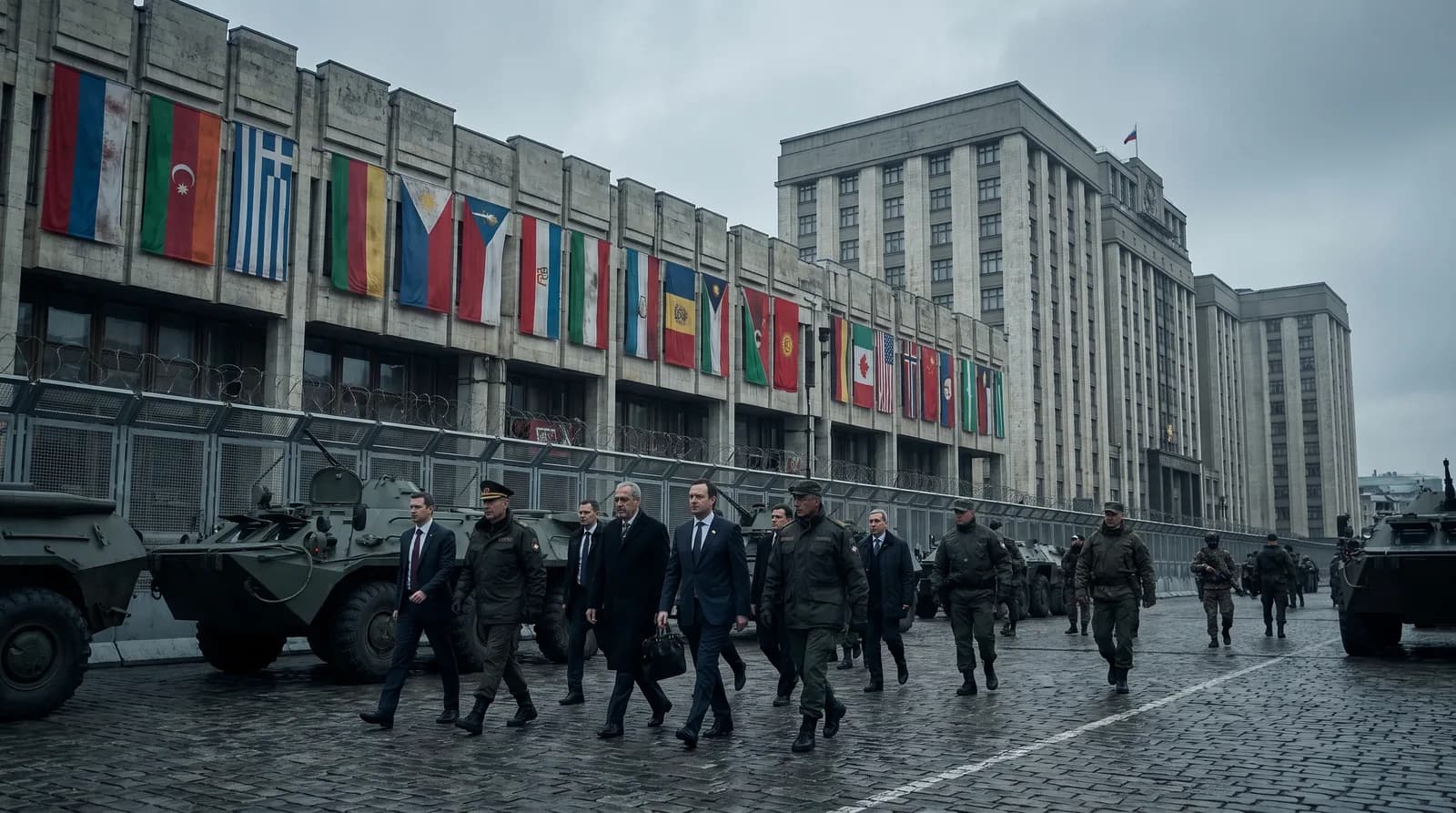
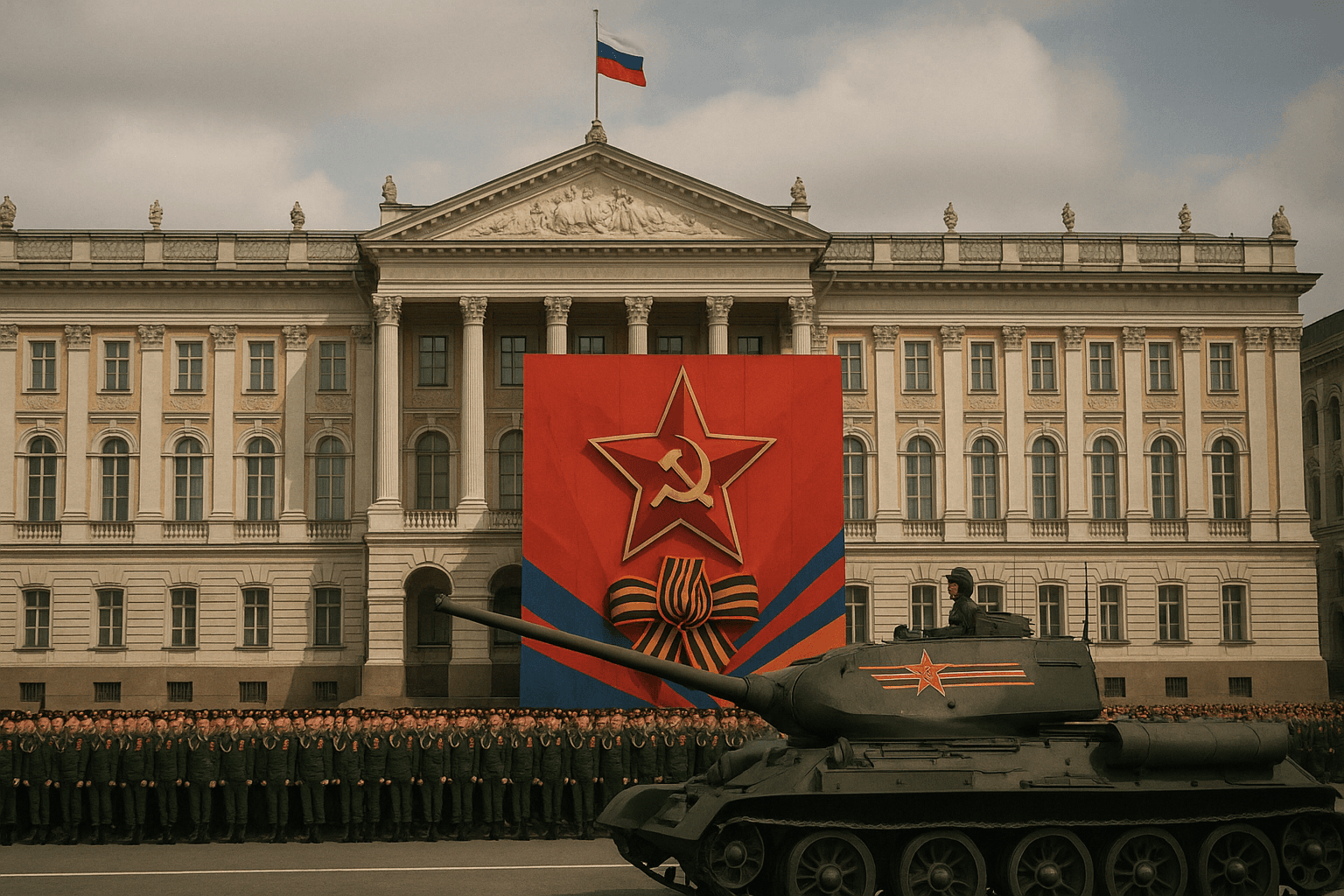
Moscow's May 9 military showcase of 10,000+ troops and hypersonic missiles signals a pivot toward domestic cohesion and resource leverage rather than territorial escalation. As Russia consolidates 20% of Ukraine's pre-2022 territory, the parade exemplifies how authoritarian powers weaponize symbolism to navigate economic sanctions, reshape alliance structures, and challenge democratic governance models globally.

20 MIN
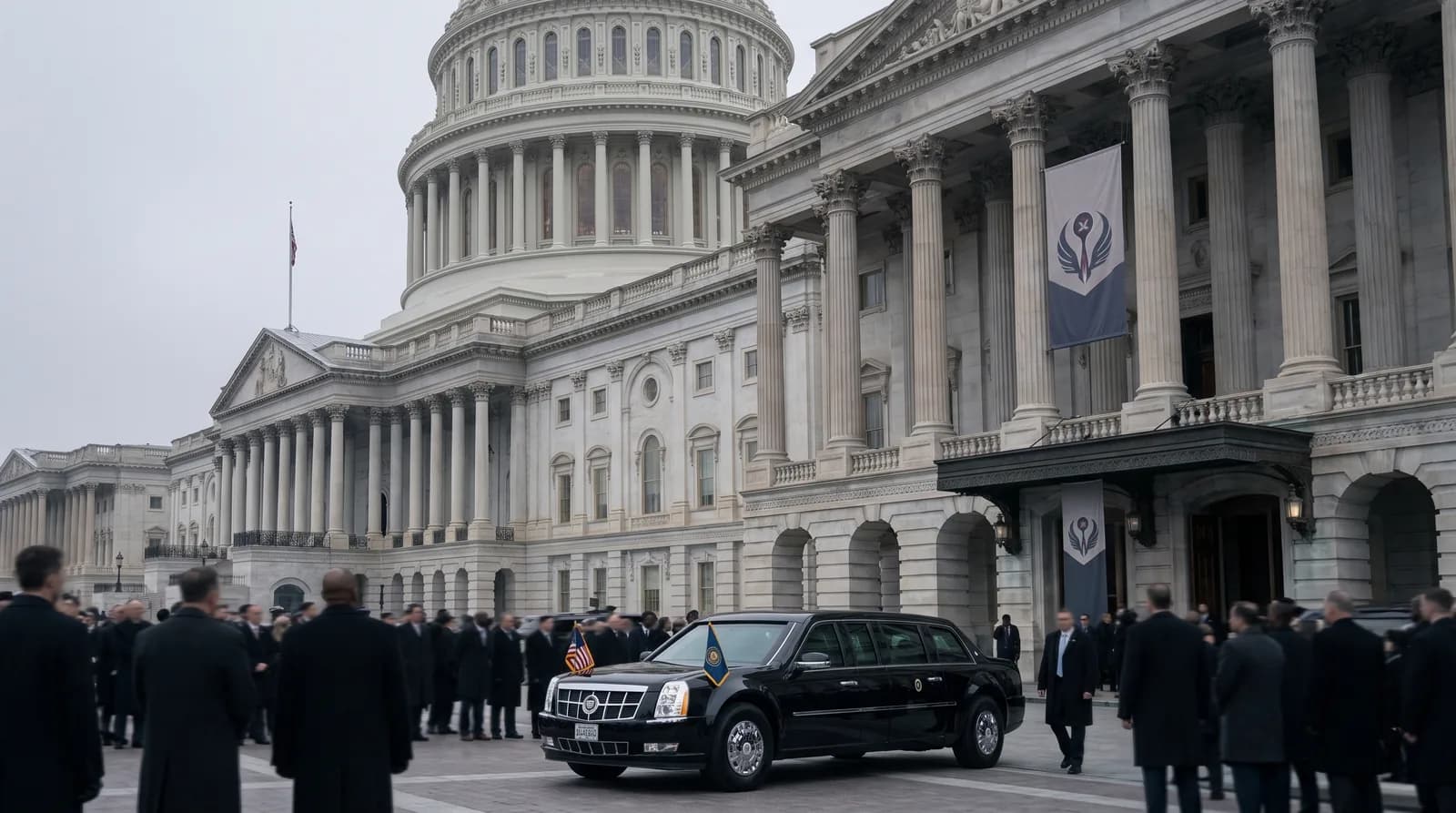
US-Iran Stalemate Fuels Polycrisis in Energy Markets
Politics

US-Iran Stalemate Fuels Polycrisis in Energy Markets

The US-Iran standoff has choked the Strait of Hormuz, spiking oil above $100/bbl and igniting a polycrisis of energy shocks, supply disruptions, and economic fragmentation. As corporate and governmental strategies pivot amid volatility, this flashpoint exposes multipolar fault lines, with China and Russia gaining leverage while Gulf states reassess alignments. Sustained instability demands resilient governance models beyond traditional diplomacy.

20 MIN
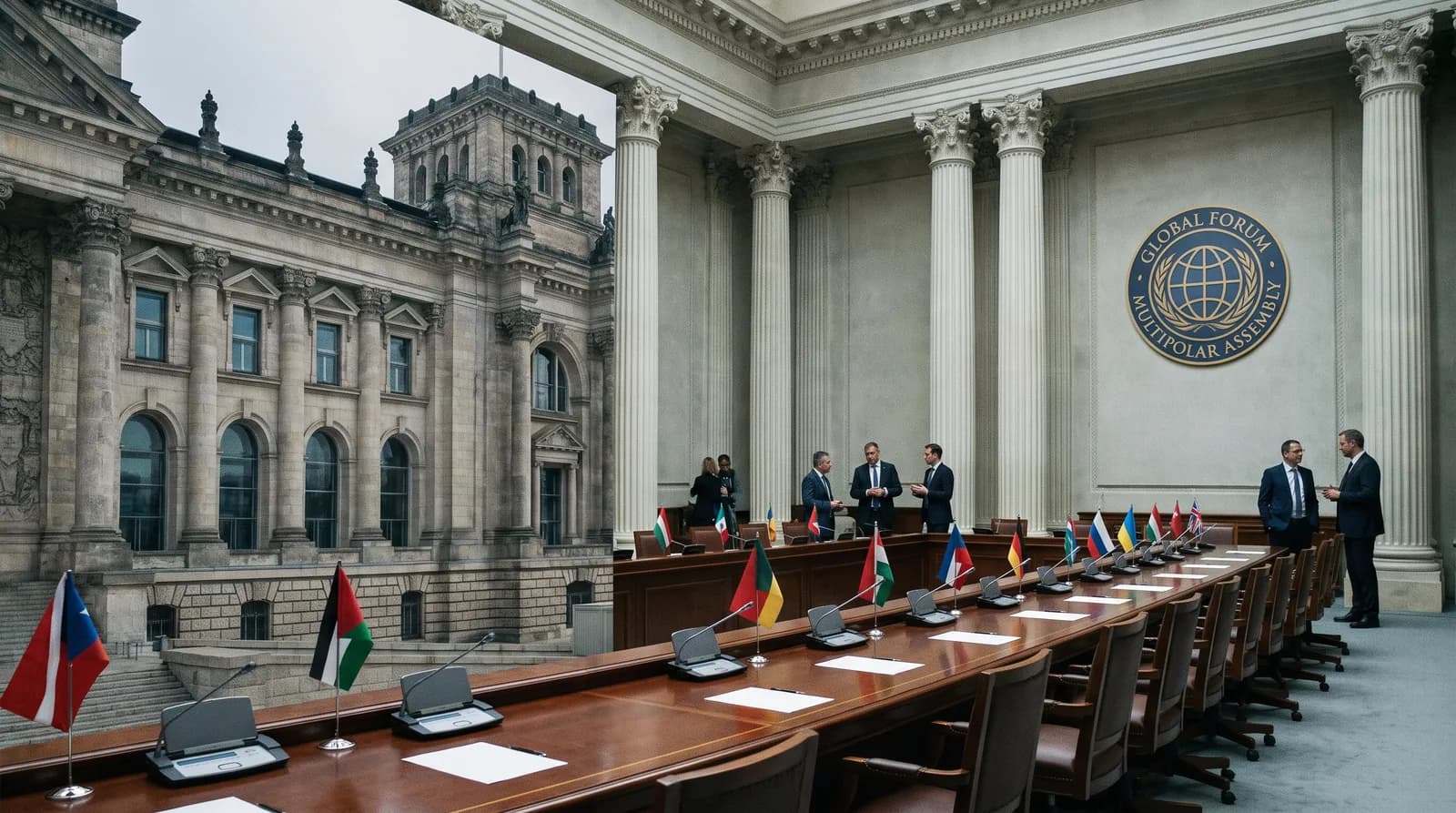
Trump Extends Iran Ceasefire as Tehran Loses $500M Daily, Seizes Ships in Hormuz
Politics

Trump Extends Iran Ceasefire as Tehran Loses $500M Daily, Seizes Ships in Hormuz

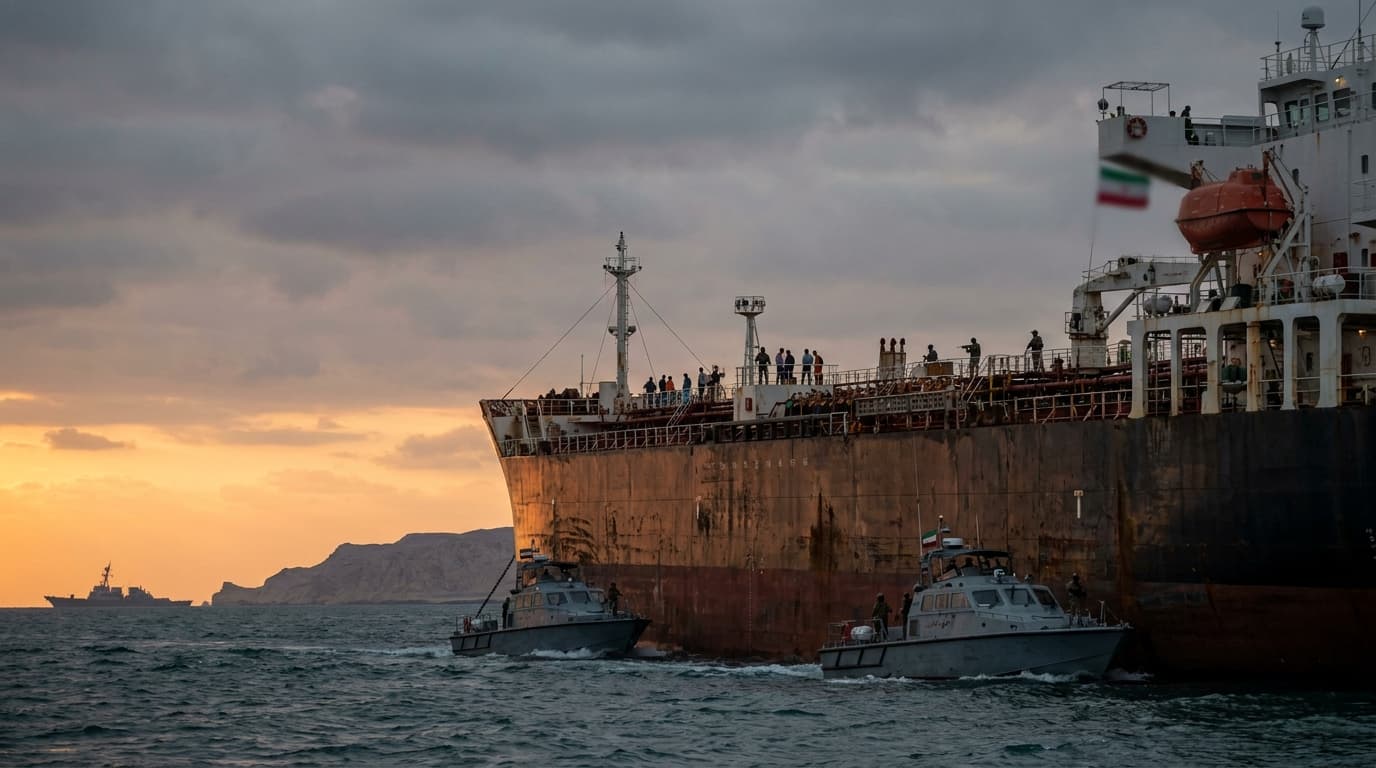
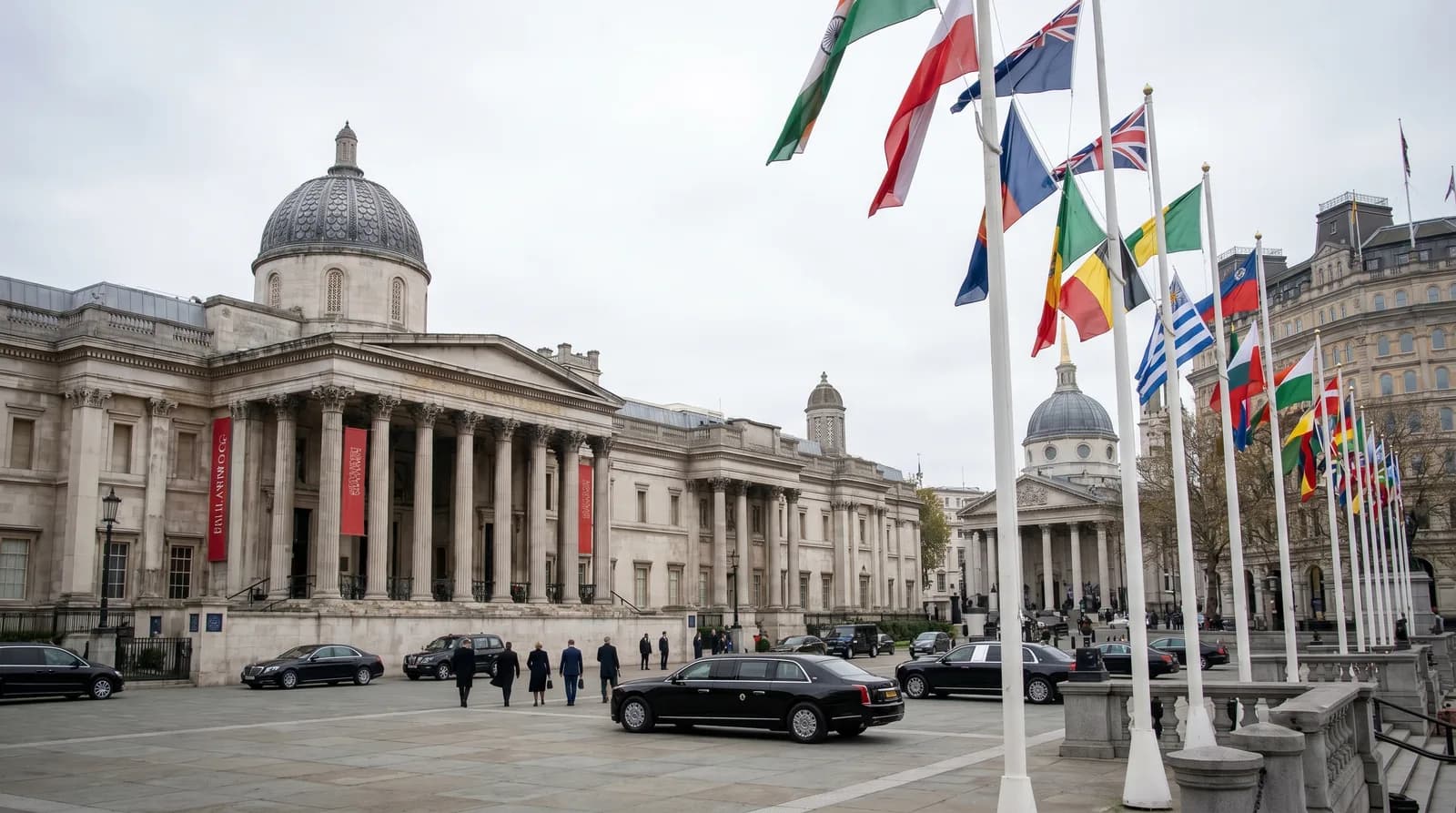
President Trump extended the two-week US-Iran ceasefire, started April 8 via Pakistan mediation, to allow negotiations while upholding the naval blockade costing Tehran $500 million daily in oil exports. Iran seized commercial ships in the Strait of Hormuz hours after the announcement, breaching the truce per US officials. These moves threaten global oil prices, with Hormuz reopening talks set for London.

18 MIN
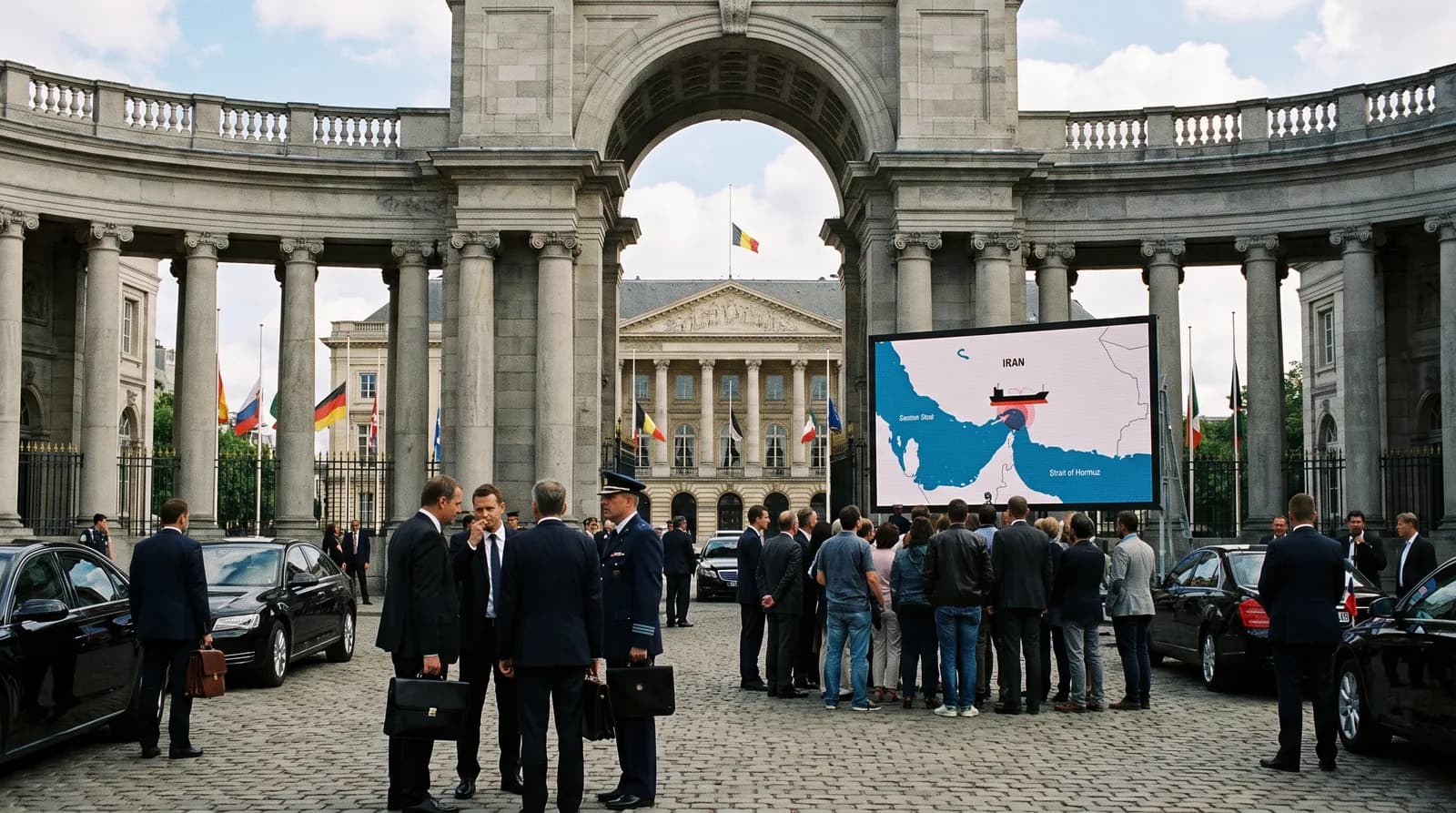
US-Iran Talks Teeter: Trump Threatens Power Plants and Bridges as Ceasefire Ends Wednesday
Politics

US-Iran Talks Teeter: Trump Threatens Power Plants and Bridges as Ceasefire Ends Wednesday

US negotiators led by Vice President JD Vance, Steve Witkoff, and Jared Kushner head to Islamabad on April 20, 2026, for second-round Iran talks despite Tehran’s rejection on April 19. President Trump accuses Iran of breaching the 2026 war ceasefire by firing on an Indian oil tanker, threatening to ’knock out every single Power Plant and every single Bridge’ absent a deal. US demands zero uranium enrichment and stockpile removal, with truce expiring Wednesday.

18 MIN
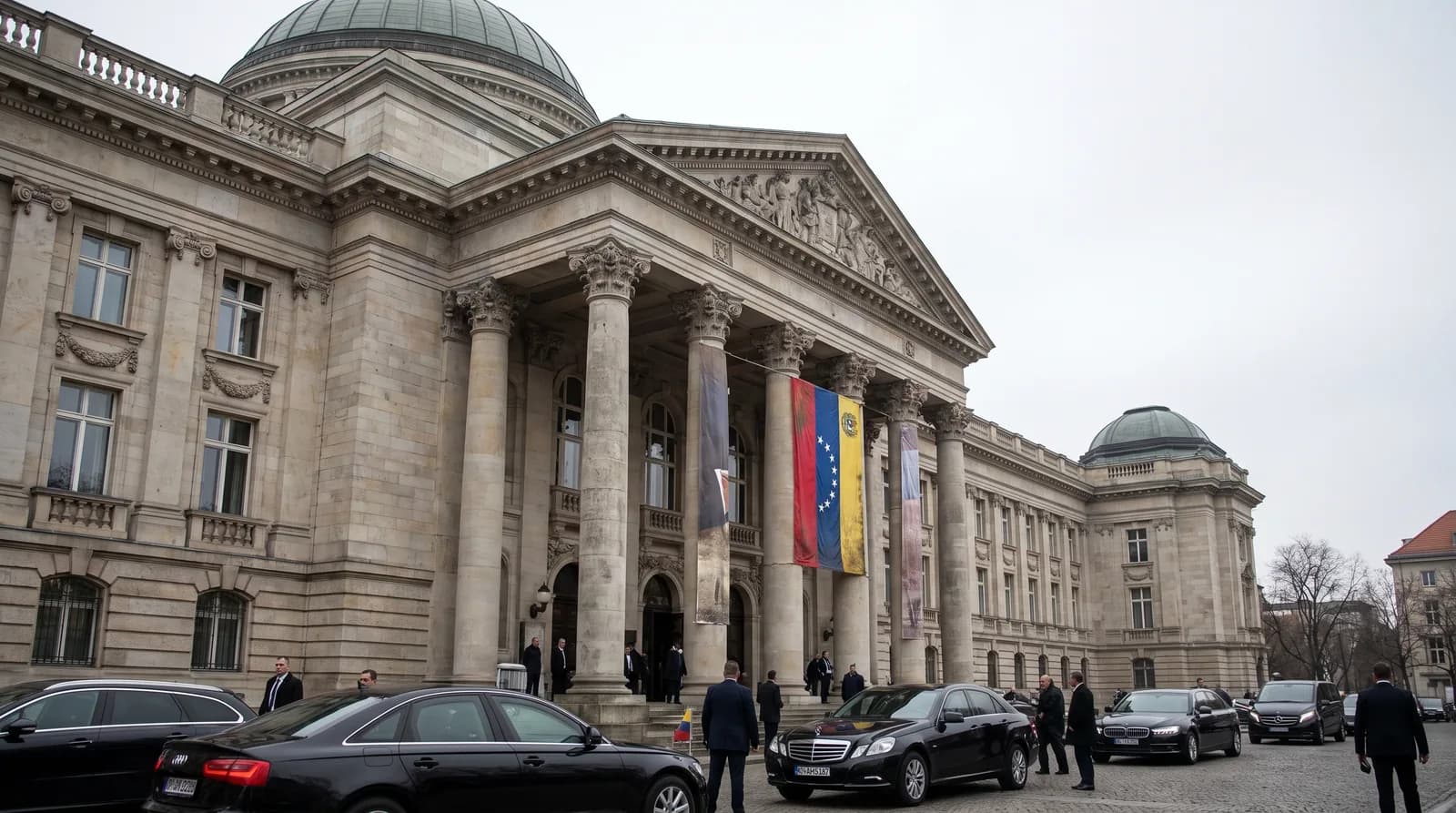
US-Iran Talks Collapse Triggers Hormuz Blockade After 21-Hour Islamabad Failure
Politics

US-Iran Talks Collapse Triggers Hormuz Blockade After 21-Hour Islamabad Failure

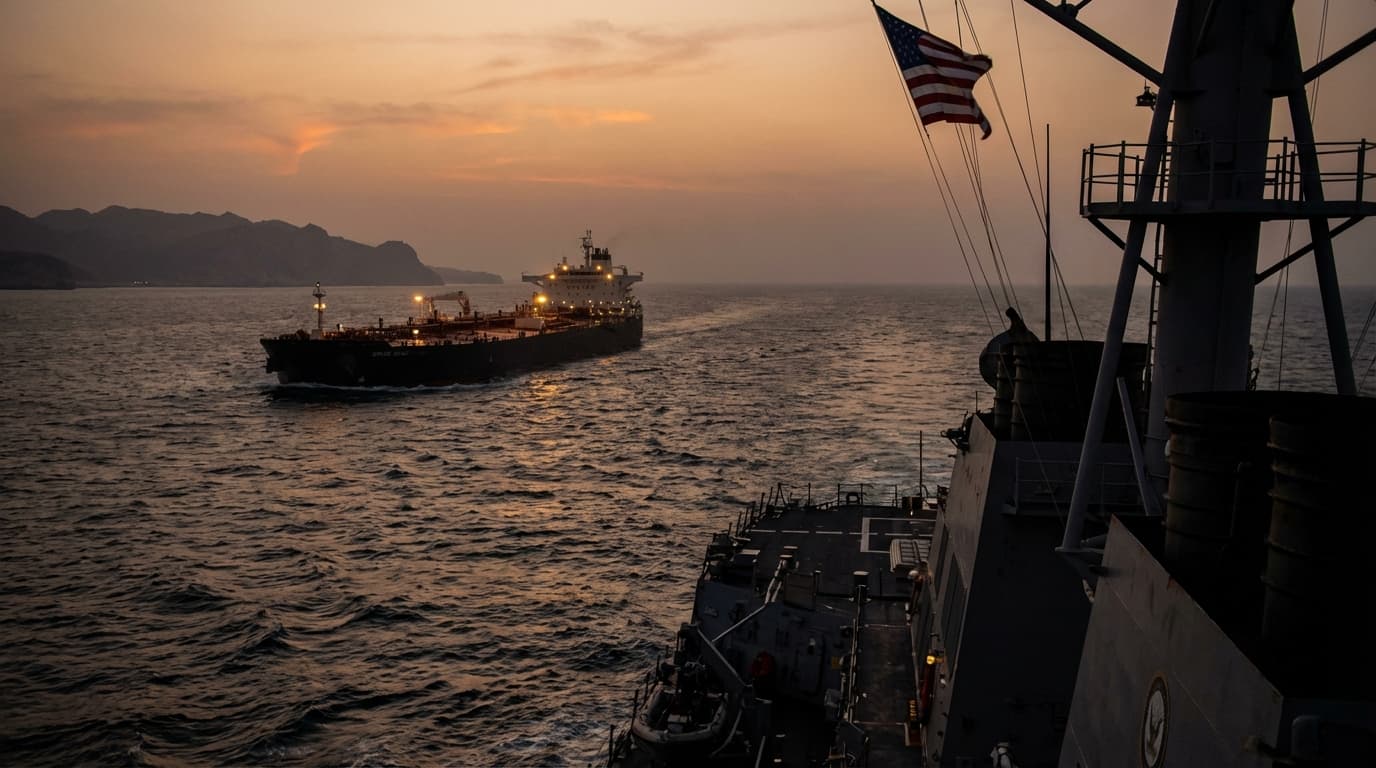
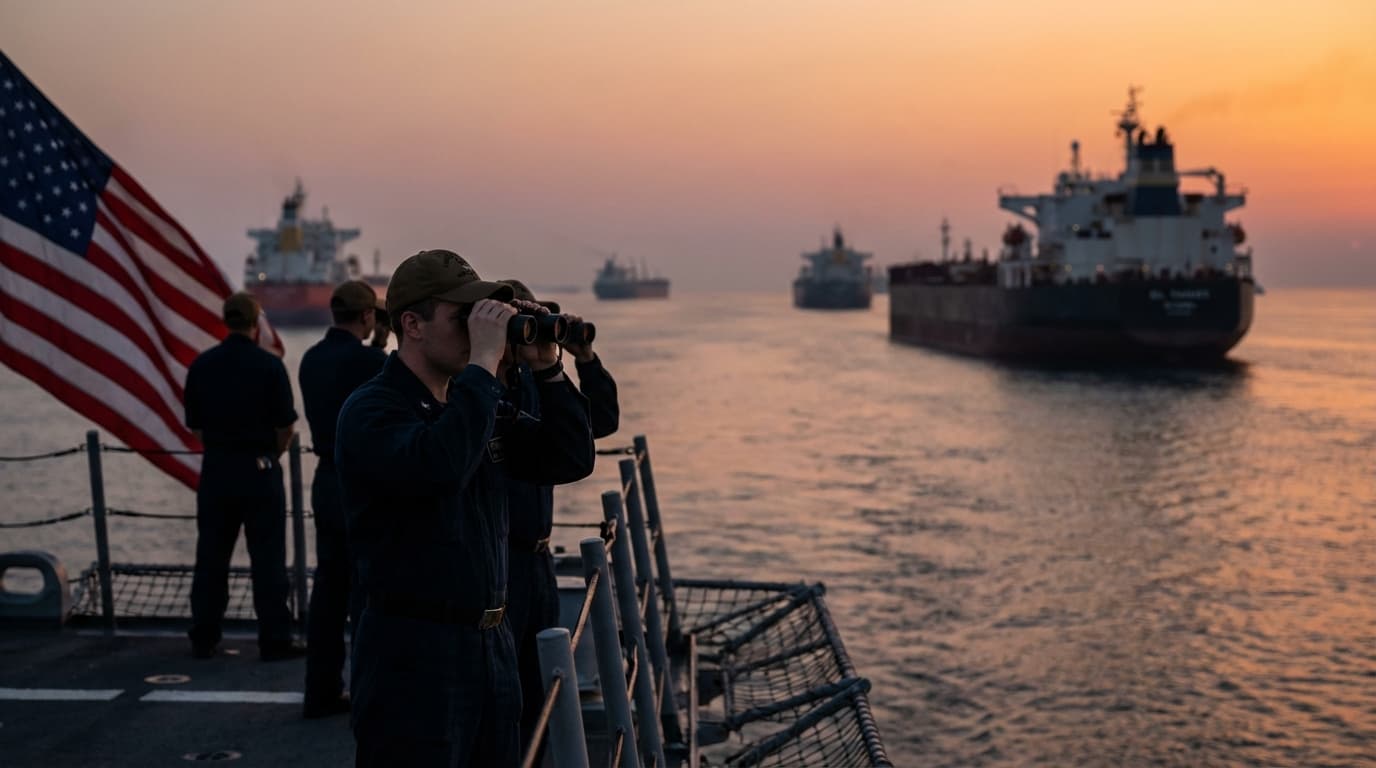
US-Iran ceasefire talks collapsed on April 12, 2026, after 21 hours in Islamabad, with Vice President JD Vance stating Iran rejected terms to dismantle its nuclear program. President Trump announced a naval blockade of the Strait of Hormuz on April 13, threatening global oil flows through the chokepoint handling 20% of seaborne crude exports. The move follows a two-week truce from April 8 and could drive oil prices above $100 per barrel amid market volatility.

18 MIN
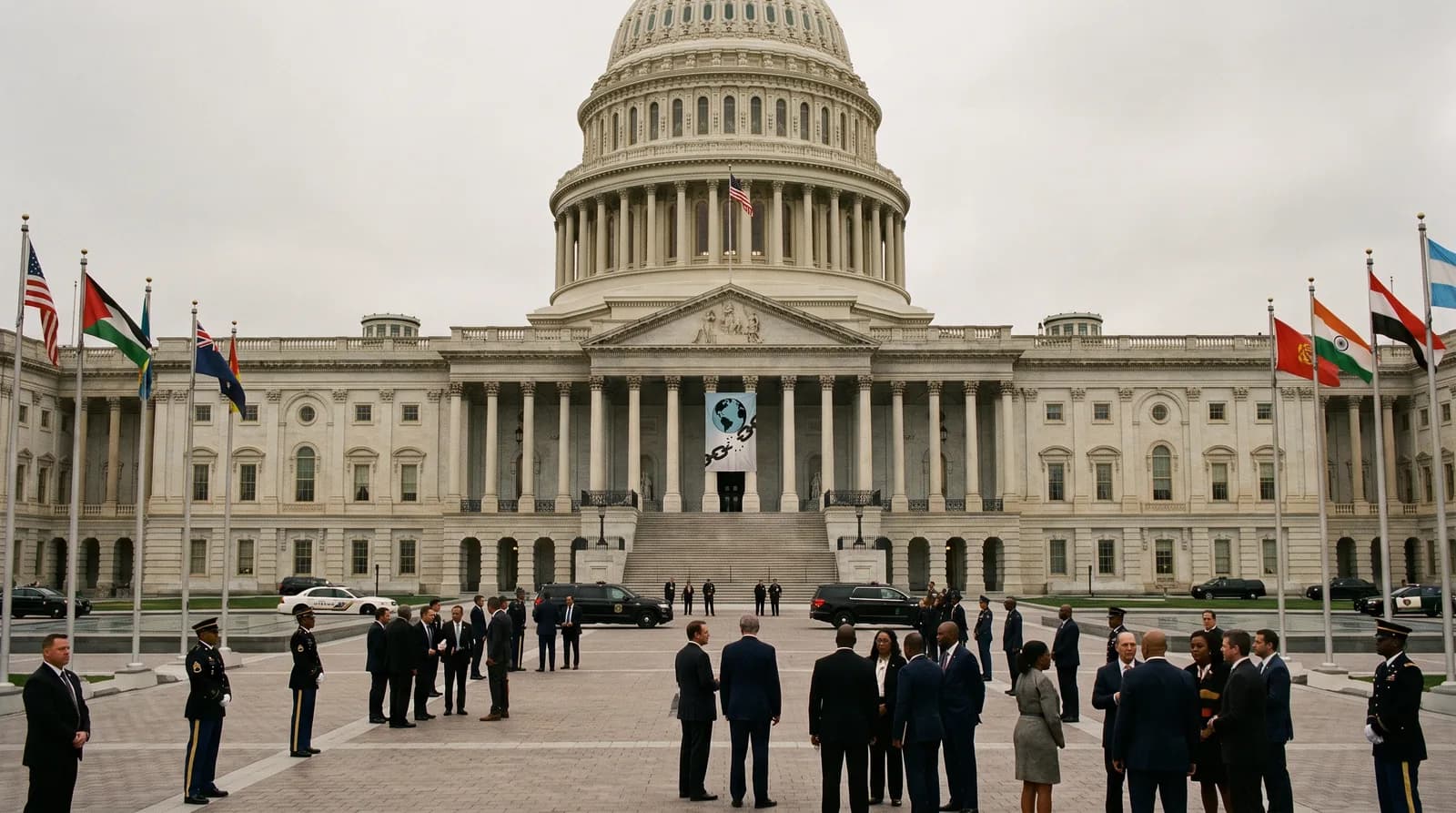
Trump Issues 48-Hour Ultimatum to Iran on Hormuz Strait, 20% of Global Oil at Stake
Politics

Trump Issues 48-Hour Ultimatum to Iran on Hormuz Strait, 20% of Global Oil at Stake

US President Donald Trump issued a 48-hour ultimatum to Iran to reopen the Strait of Hormuz, through which 20% of global oil passes, threatening strikes on Kark Island if the Tuesday 8 pm deadline passes without a deal. Ceasefire talks, now in their second month, stalled after Iran’s lead negotiator accused Washington and Israel of breaching three clauses of Tehran’s 10-point framework. Federal Reserve officials warn of softening labor markets and prolonged inflation risks from a drawn-out war.

18 MIN
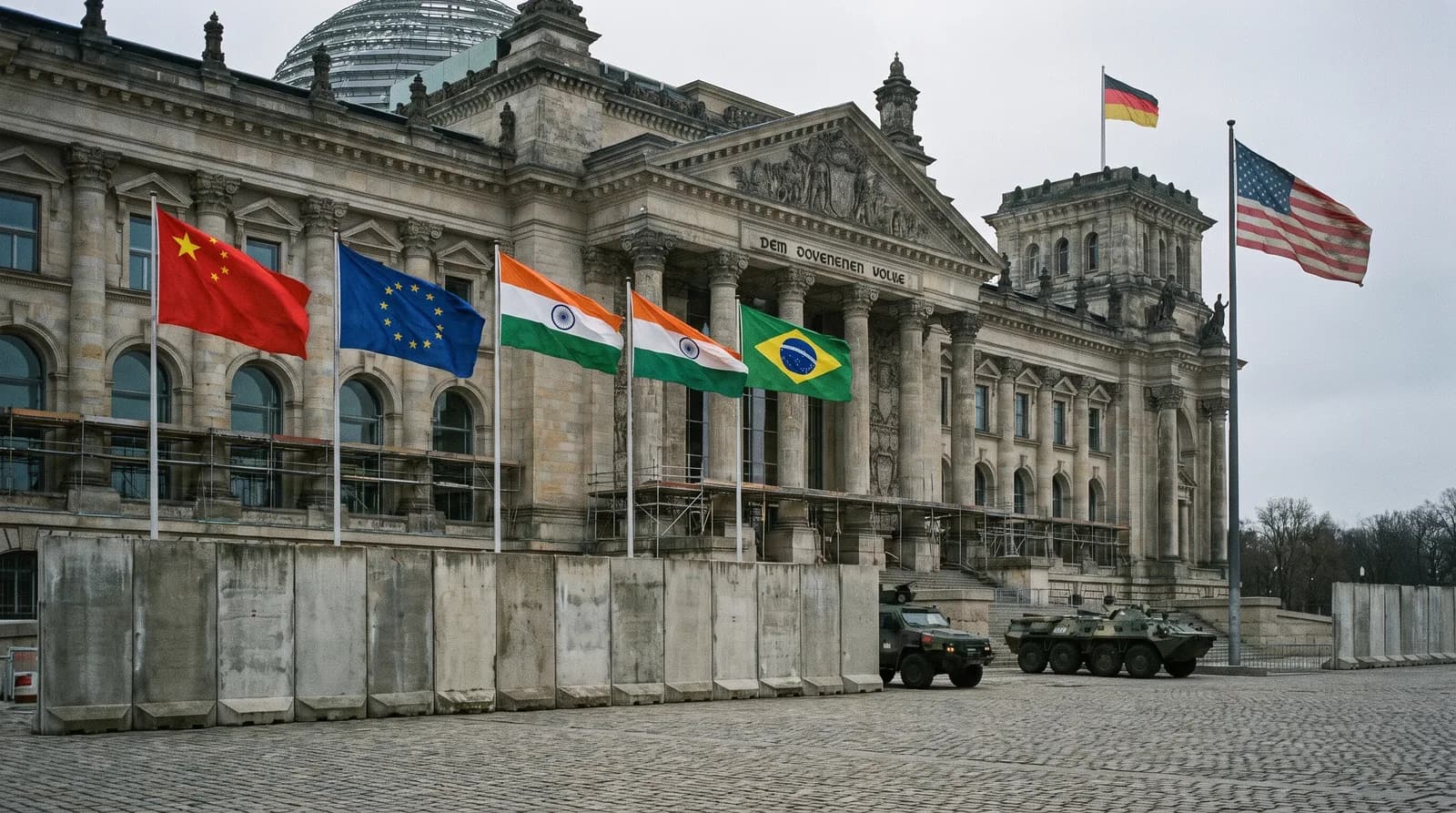
World on the Precipice: Trump, Iran, and the Crumbling International Order
Politics

World on the Precipice: Trump, Iran, and the Crumbling International Order

Within forty-eight hours, President Trump shifted from existential threats against Iran to accepting a two-week ceasefire, exposing the profound instability characterizing international politics in 2026. This dramatic reversal, coupled with escalating tensions in Asia-Pacific and major domestic crises, sketches the contours of a fragmented international system where old rules no longer apply and no new order has yet emerged.

18 MIN
    VANTAGE | Intelligence for In-depth Analysis