Rubrique

Science

All the news and in-depth analysis on the topic of science.

Latest Analysis

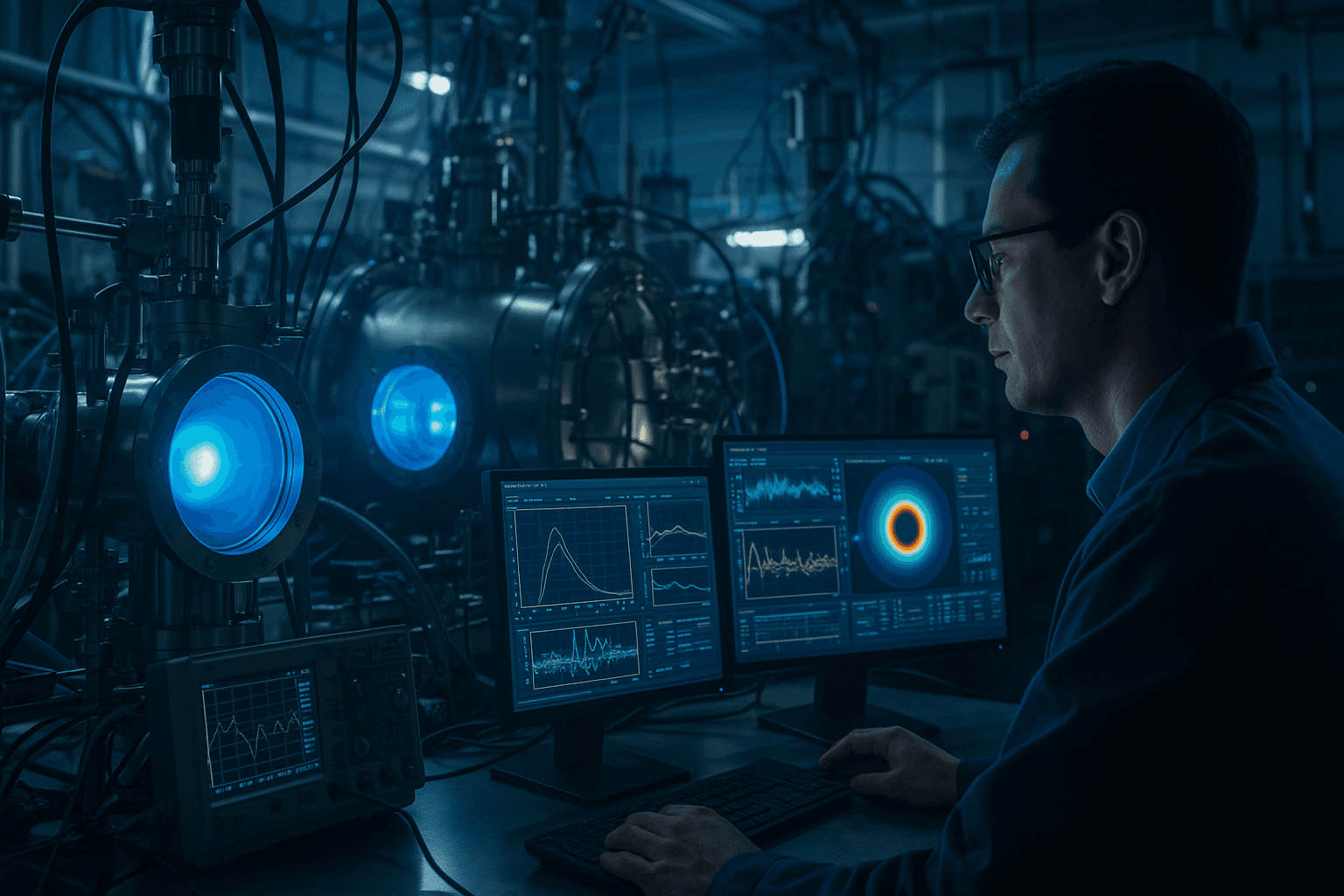
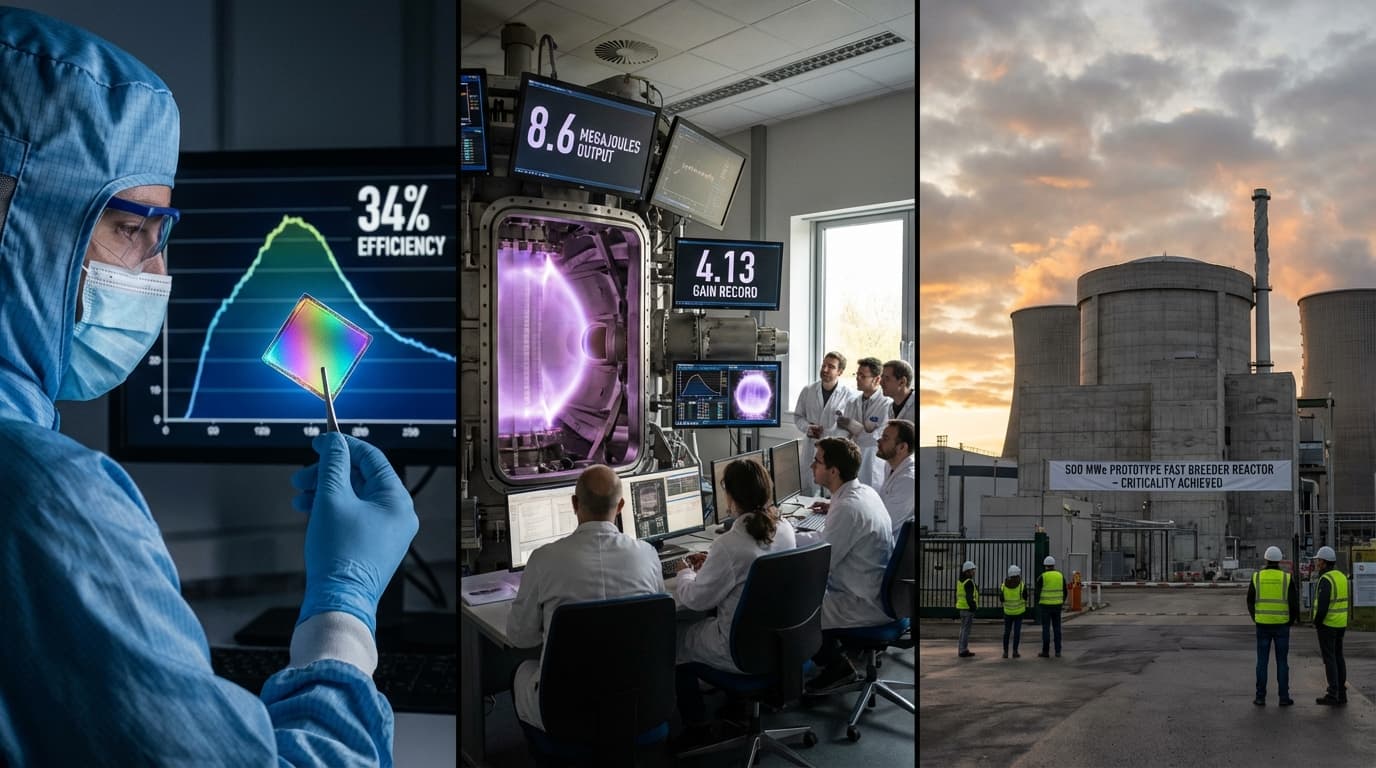
When Physics Yields to Engineering: EAST's Density Regime Reorders Energy Geopolitics
Science

When Physics Yields to Engineering: EAST's Density Regime Reorders Energy Geopolitics

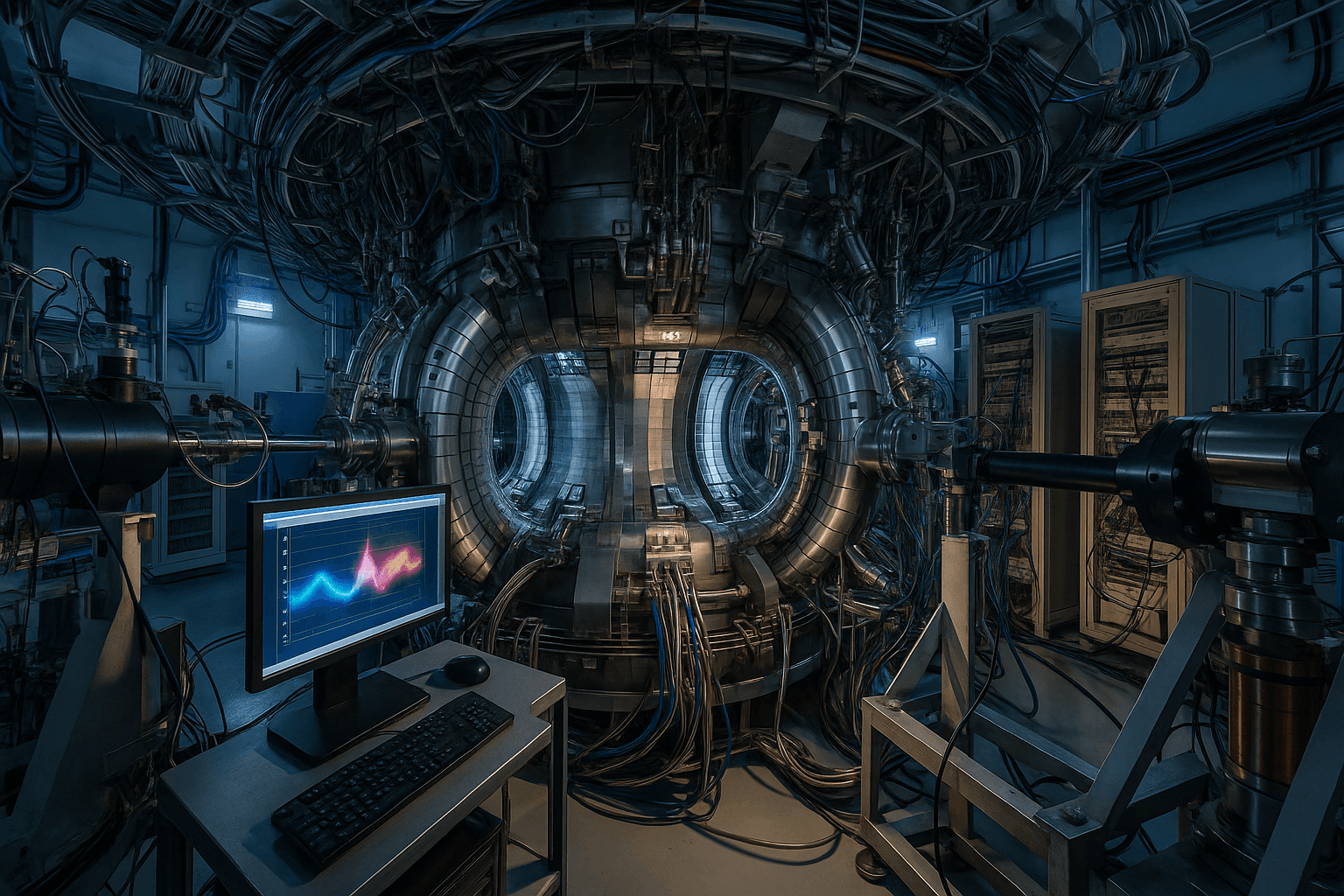
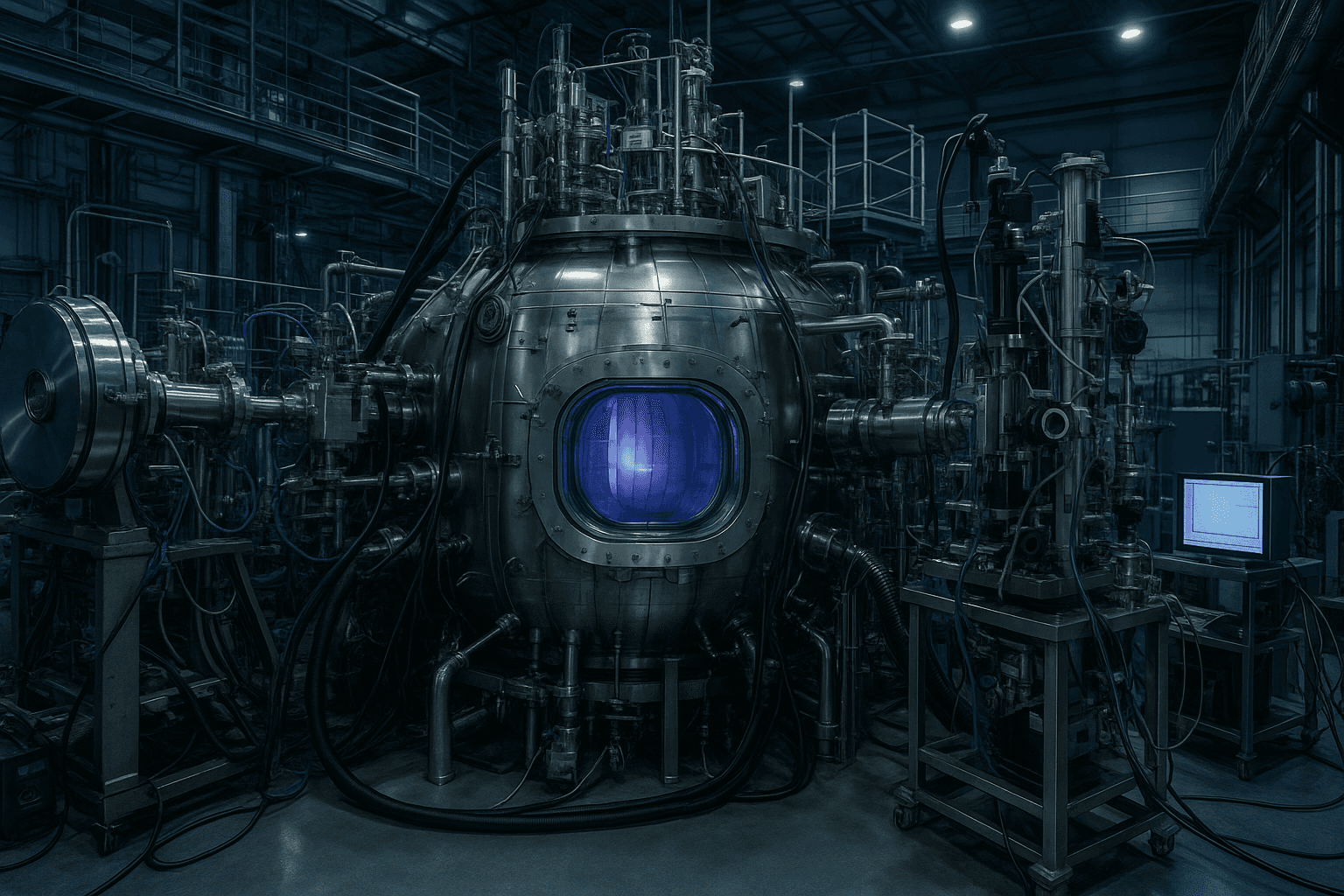
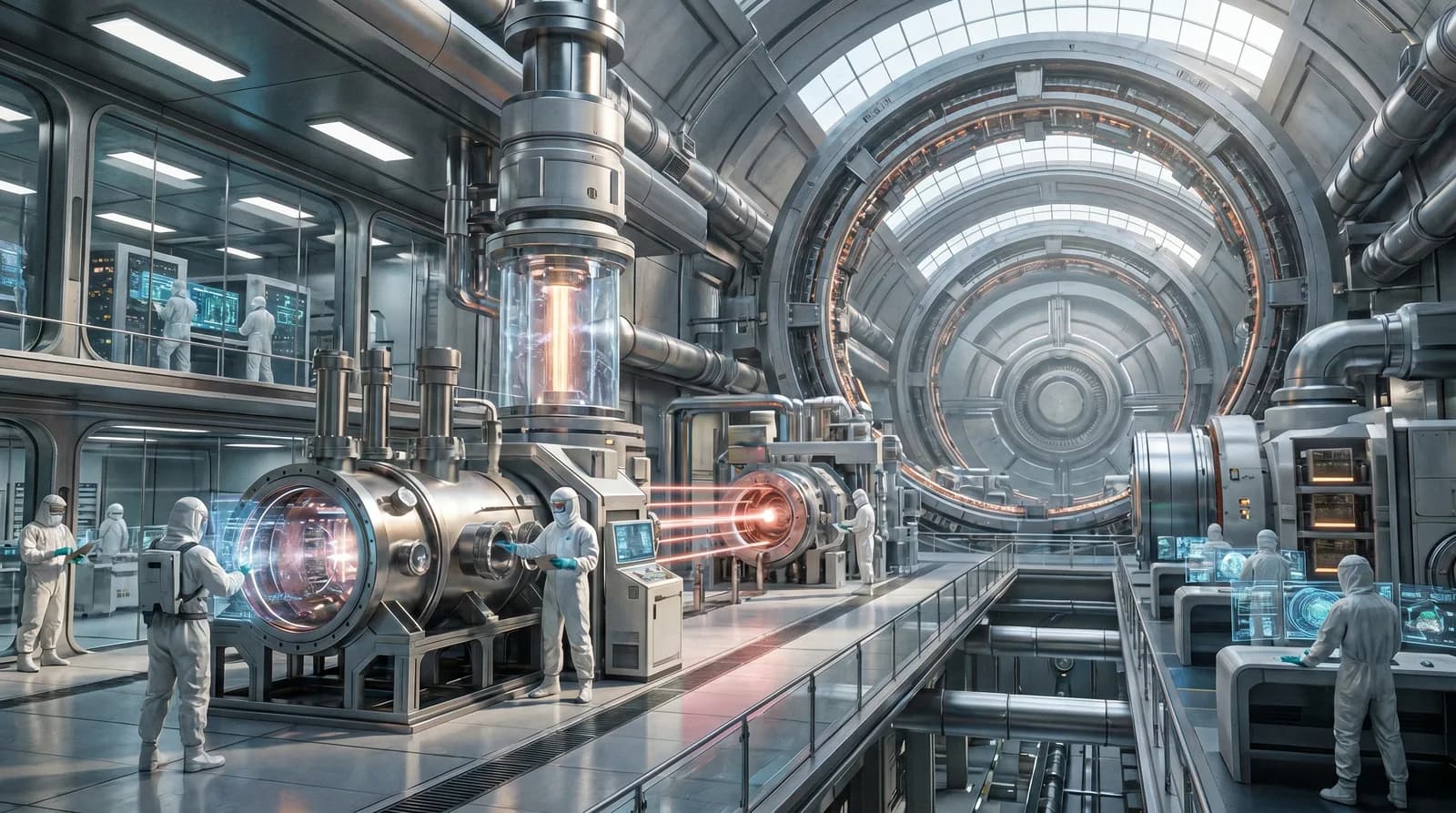
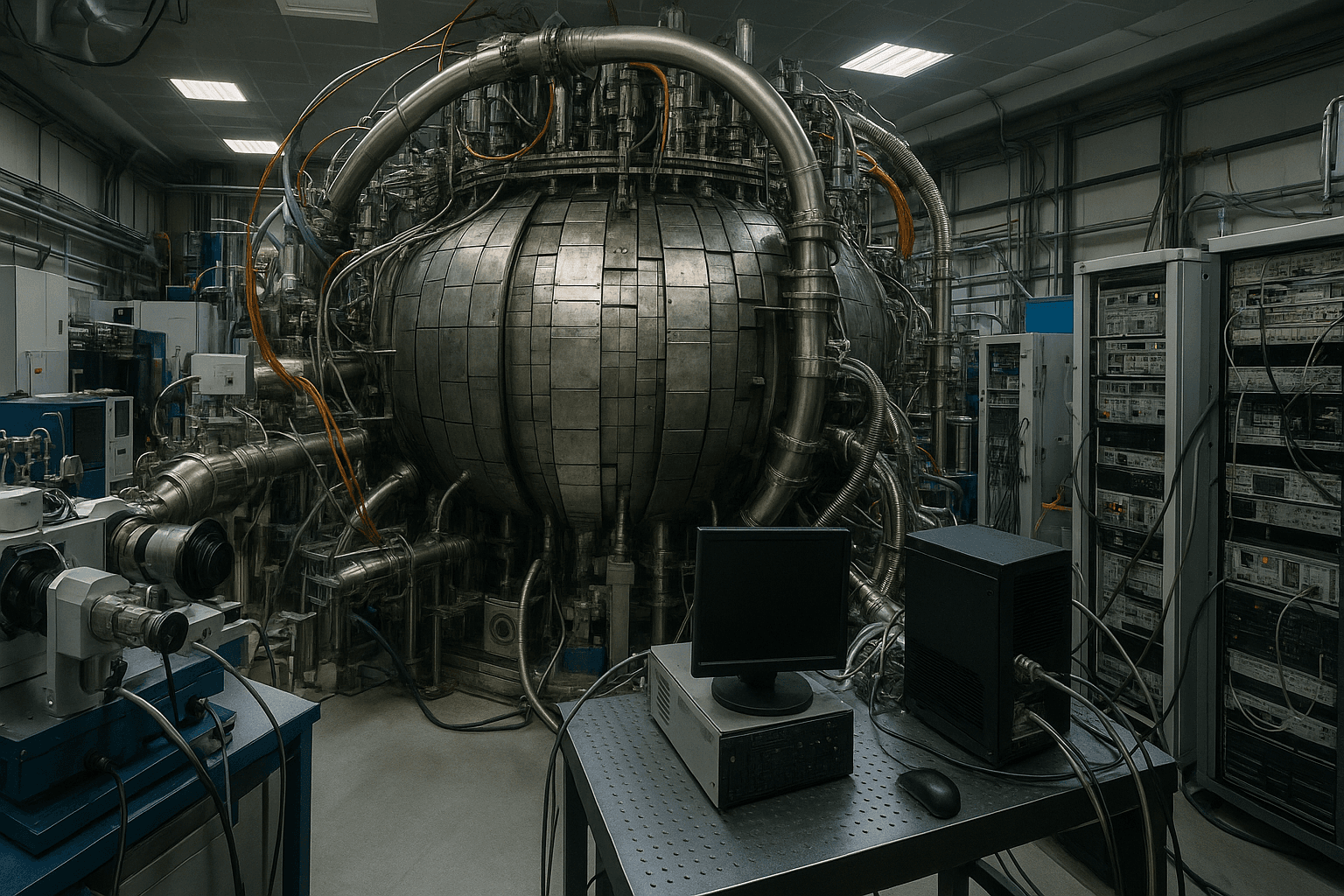
China's EAST tokamak has experimentally accessed a theorized 'density-free regime,' sustaining plasma at 1.3–1.65 times the Greenwald limit. This January 2026 breakthrough removes a three-decade bottleneck in fusion ignition pathways, reshaping global research hierarchies and accelerating commercial timelines by years—while intensifying magnetic supply-chain dependencies and IP fragmentation risks.

20 MIN
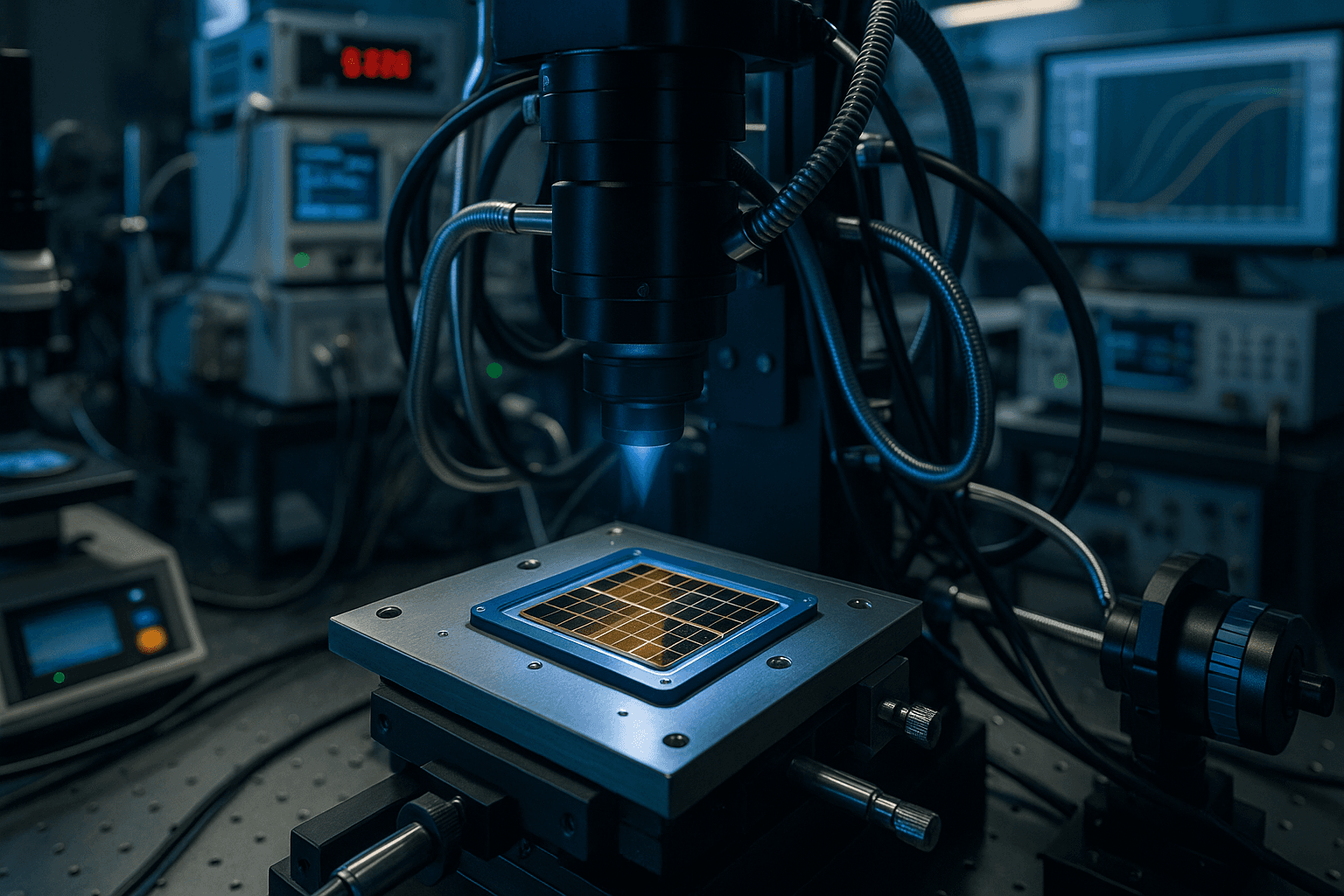
Perovskite Tandems Hit 34%: Dawn of Energy Supremacy
Science

Perovskite Tandems Hit 34%: Dawn of Energy Supremacy

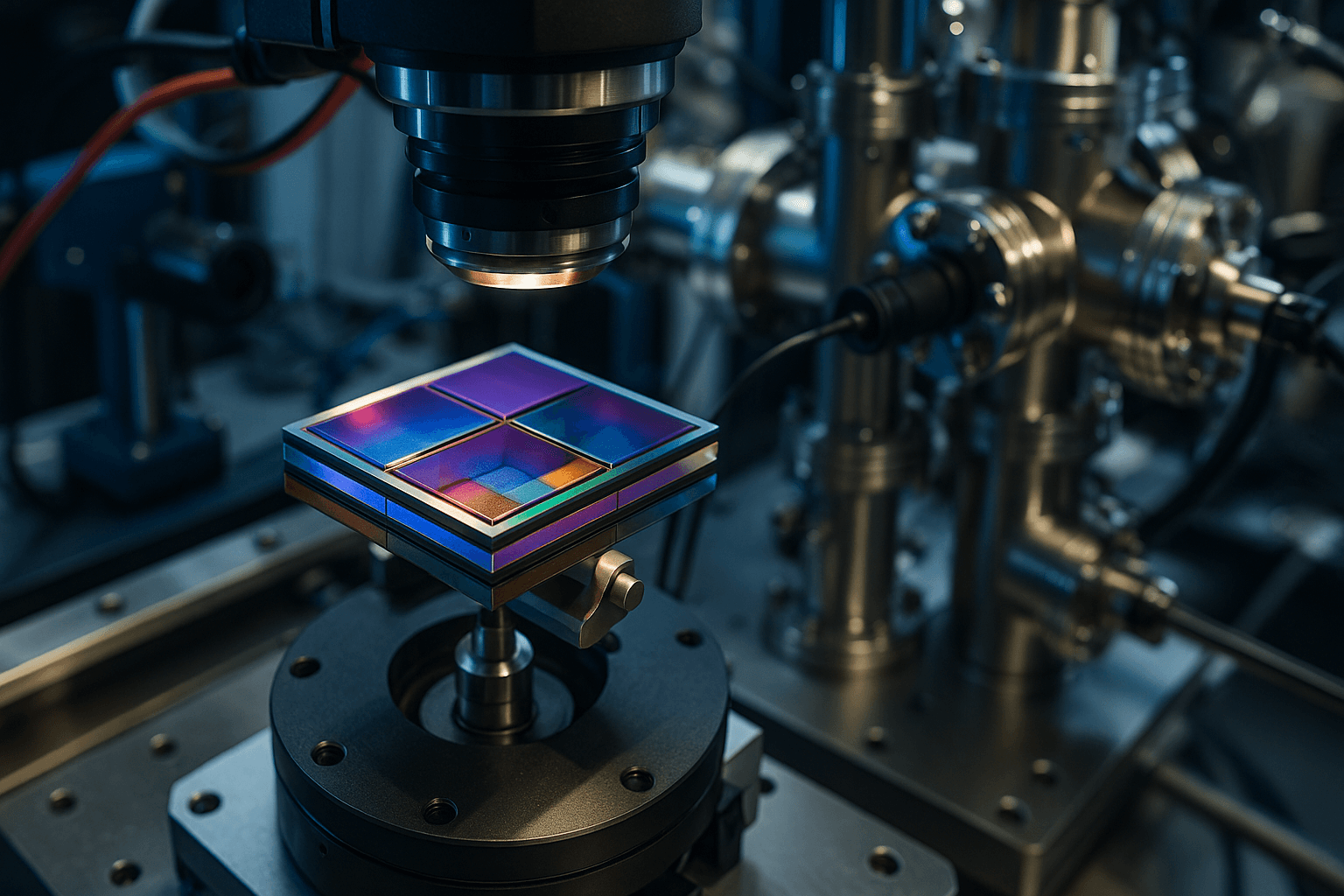
Tandem perovskite-silicon solar cells shattering 34% efficiency herald a ruthless assault on fossil fuel dominance, slashing global energy costs 20-30% and igniting geopolitical firestorms. This scalable leap, certified beyond Shockley-Queisser limits, forces coal giants like China and India into chaotic pivots, redefining $5T markets amid climate Armageddon. Translational science fuses with policy, demanding radical equity or risking techno-colonial divides.

20 MIN
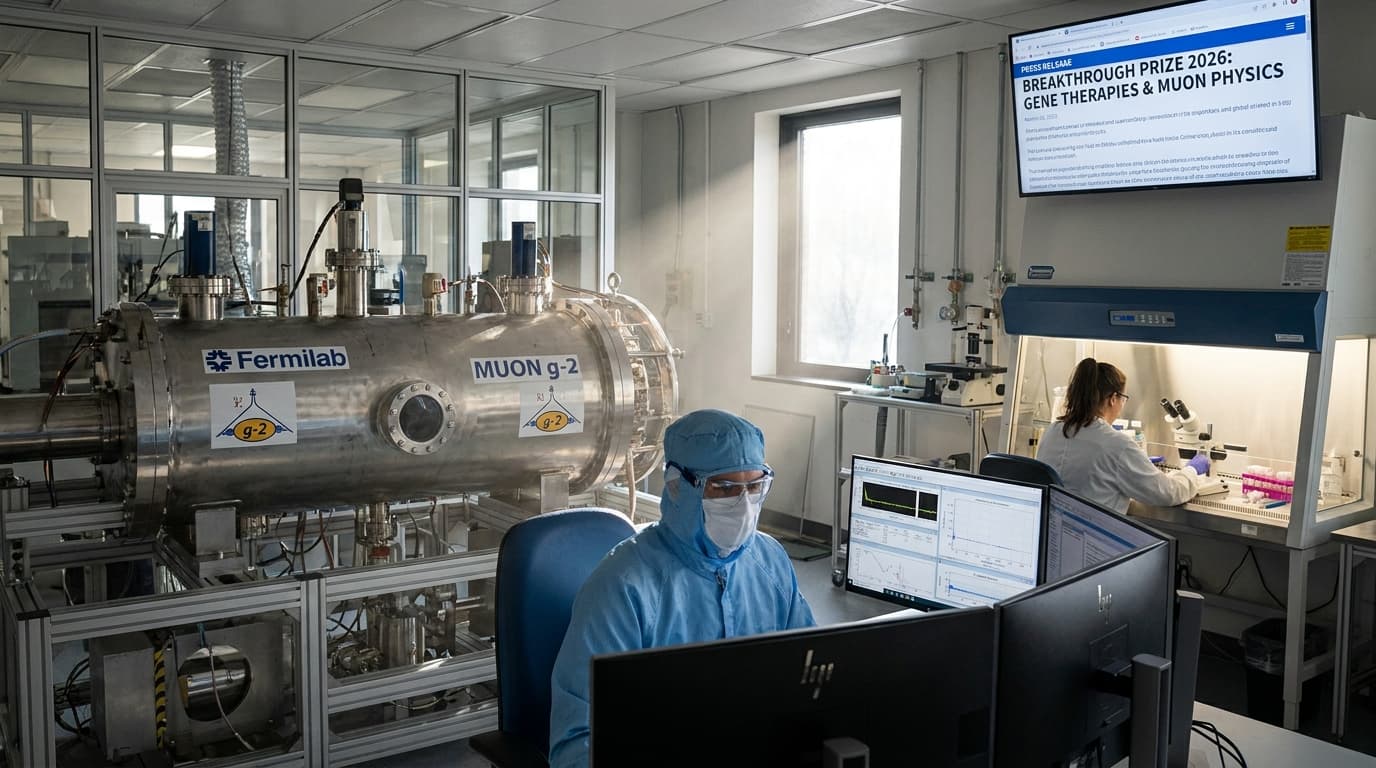
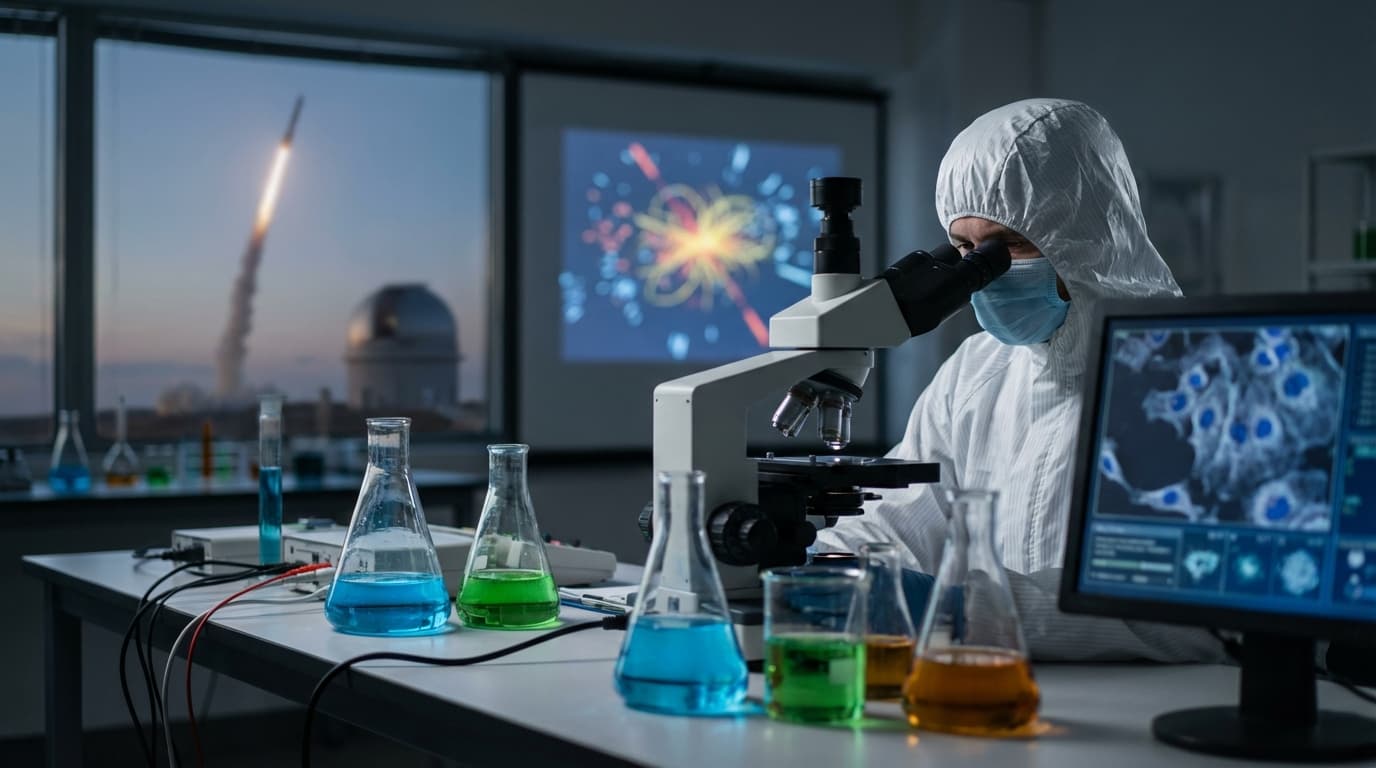
Breakthrough Prizes 2026: $18M Rewards US-Led Gene Therapies and Muon Precision Physics
Science

Breakthrough Prizes 2026: $18M Rewards US-Led Gene Therapies and Muon Precision Physics

Breakthrough Prize Foundation awarded six $3 million prizes on April 18, 2026, totaling $18 million for gene therapies targeting sickle cell disease and beta-thalassemia. US-led Muon g-2 teams at Fermilab and Brookhaven achieved 127 parts-per-billion precision on the muon’s anomalous magnetic moment, 30,000 times better than the 1965 benchmark. These advances drive $100 billion biotech and physics markets forward.

18 MIN
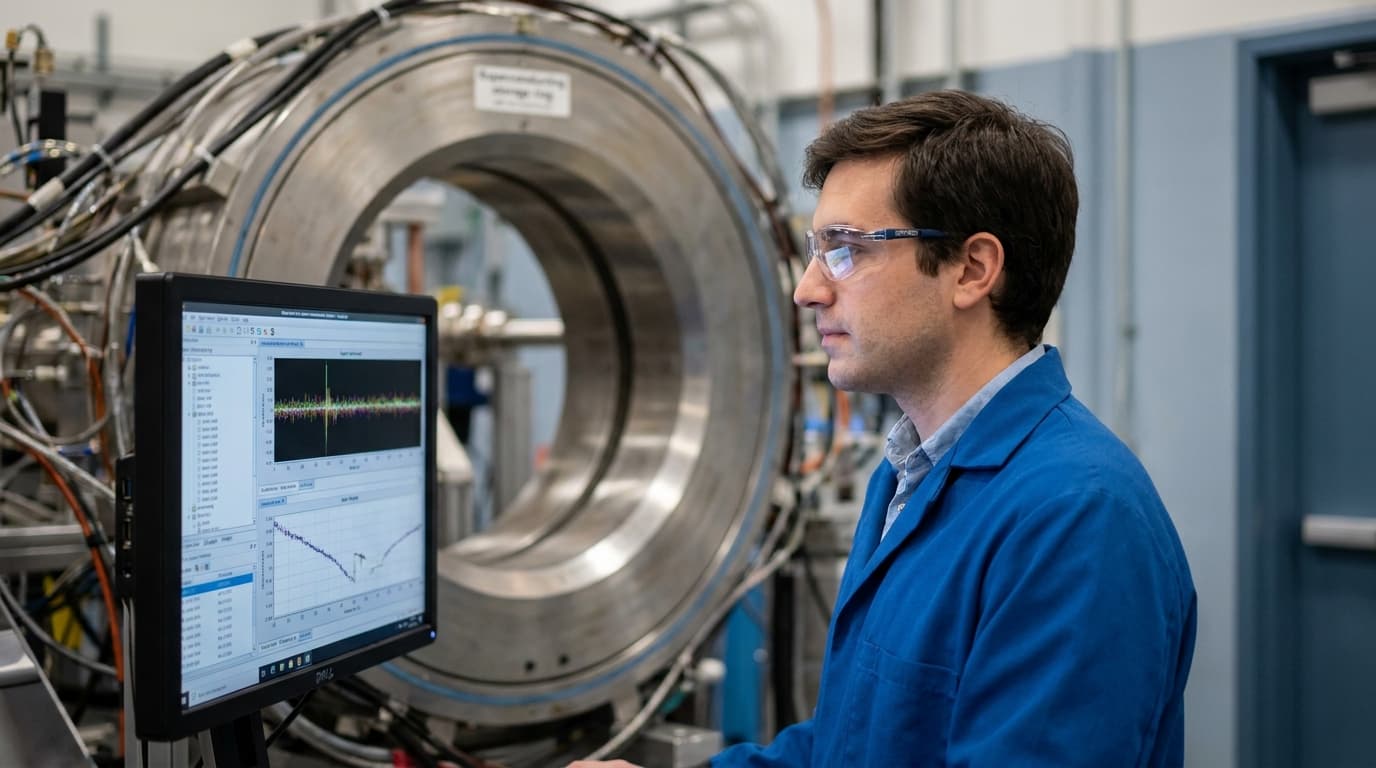
Breakthrough Prizes 2026: $18.75M for Gene Therapies, ALS Gene and Muon g-2 at 127 ppb Precision
Science

Breakthrough Prizes 2026: $18.75M for Gene Therapies, ALS Gene and Muon g-2 at 127 ppb Precision

The Breakthrough Prize Foundation awarded six $3 million prizes on April 18 in Los Angeles for gene therapies targeting inherited blindness, sickle cell disease, and beta-thalassemia, plus the C9orf72 gene discovery linking ALS and frontotemporal dementia. Muon g-2 measurements reached 127 parts per billion precision, 30,000 times better than the 1965 benchmark, hinting at physics beyond the Standard Model. Totaling $18.75 million this year and over $340 million in 15 years, these honors drive biotech and physics markets into 2026.

18 MIN
NASA Finds 7 New Organic Molecules on Mars, Blue Origin Extracts Lunar Oxygen, Artemis II Sets Distance Record
Science

NASA Finds 7 New Organic Molecules on Mars, Blue Origin Extracts Lunar Oxygen, Artemis II Sets Distance Record

NASA’s Curiosity rover detected seven previously undetected organic molecules on Mars on April 21, 2026, including trimethylbenzene and naphthalene, bolstering evidence of past habitability in Gale Crater. Blue Origin successfully extracted medical- and propellant-grade oxygen from melted lunar regolith simulant using its Air Pioneer reactor in early April. Artemis II crew reached a record 252,757 miles from Earth on April 6, exceeding Apollo 13’s distance.

18 MIN
2026 Breakthrough Prizes Award $3M Each for Gene Therapies, ALS Link and Muon Precision at 127 ppb
Science

2026 Breakthrough Prizes Award $3M Each for Gene Therapies, ALS Link and Muon Precision at 127 ppb

The 2026 Breakthrough Prize laureates, announced April 18, each receive $3 million for gene therapies targeting inherited blindness, sickle cell disease, beta-thalassemia, plus ALS-FTD genetic links and muon measurements at 127 parts per billion precision. Co-founded by Mark Zuckerberg and Sergey Brin, the awards spotlight a gene therapy market valued at $14.4 billion in 2025, forecasted to hit $50 billion by 2030. Muon g-2 results, 30,000 times more precise than the 1965 benchmark, challenge the Standard Model and bolster U.S. annual physics R&D spending of $120 billion.

18 MIN
No Major Science Breakthroughs as US Conferences Advance 34% Efficient Solar and Biotech Trends for 2026
Science

No Major Science Breakthroughs as US Conferences Advance 34% Efficient Solar and Biotech Trends for 2026

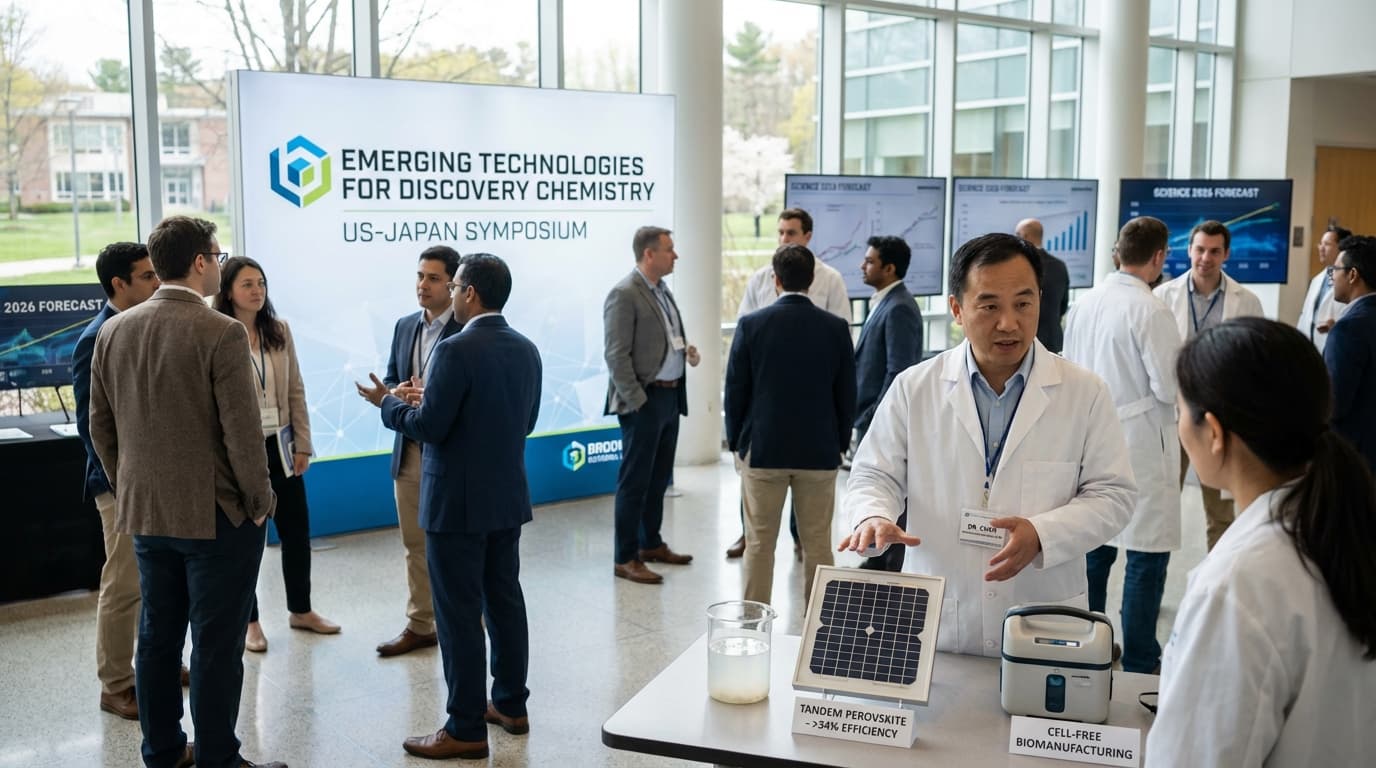
No major scientific breakthroughs reported April 13-15, 2026, spotlighting US-hosted conferences like Emerging Technologies for Discovery Chemistry and US-Japan Symposium at Brookhaven National Laboratory. Key 2026 forecasts feature tandem perovskite solar cells exceeding 34% power conversion efficiency versus 24% silicon panels, alongside cell-free biomanufacturing for on-demand proteins. DARPA-NSF funded platforms signal pivotal year for renewables and biotech with multi-billion economic implications.

18 MIN
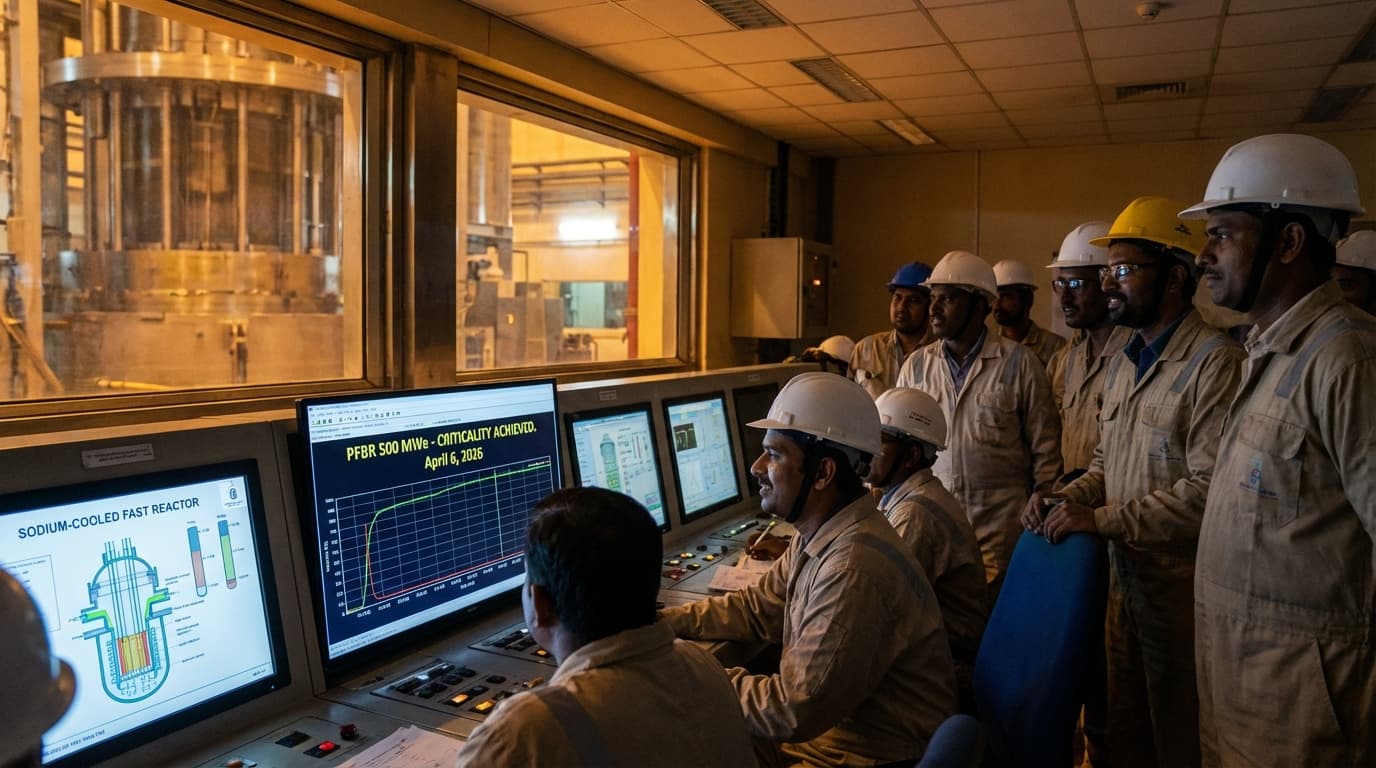
India PFBR 500 MWe Hits Criticality April 6, Thorium Path to Double Energy Demand by 2040
Science

India PFBR 500 MWe Hits Criticality April 6, Thorium Path to Double Energy Demand by 2040

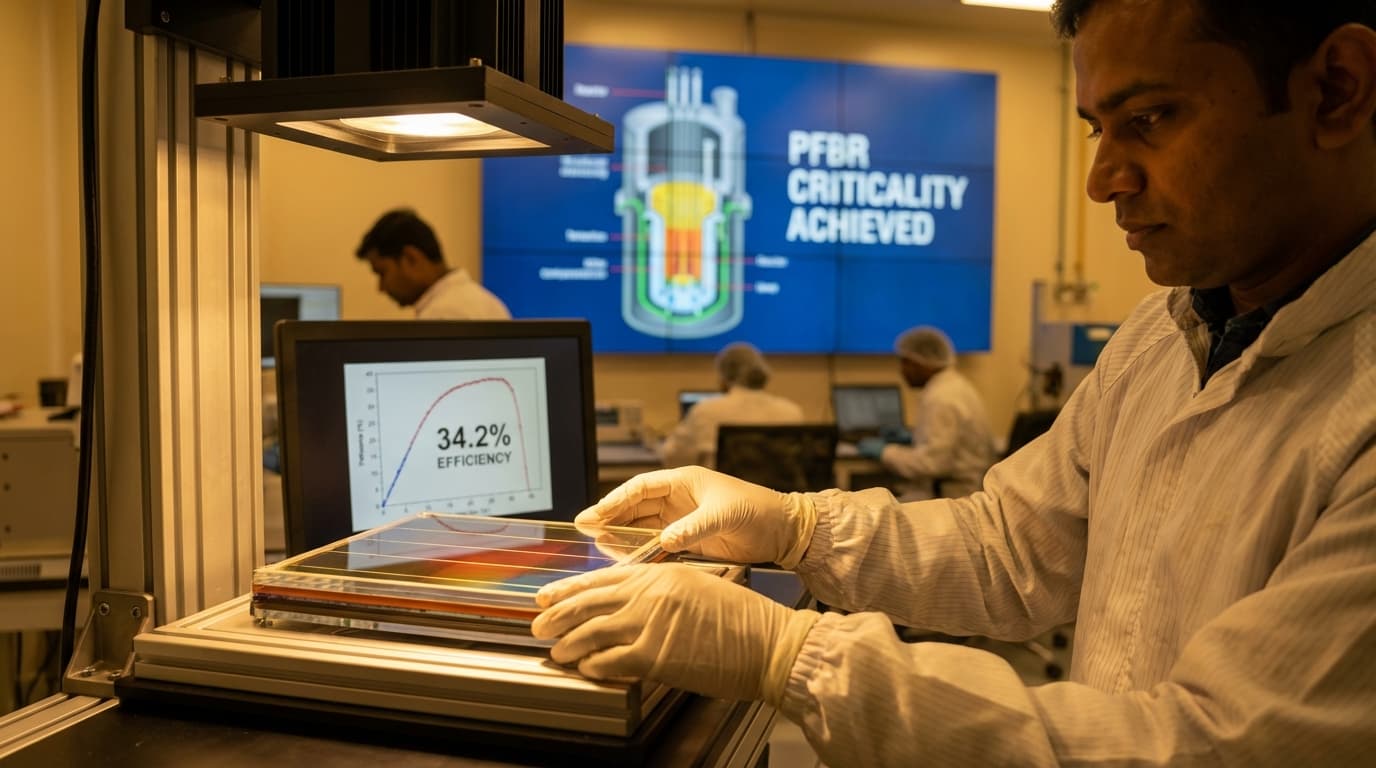
Indias 500 MWe Prototype Fast Breeder Reactor achieved first criticality on April 6, 2026, starting controlled fission in its sodium-cooled fast design that breeds more fuel than it consumes. This advances the three-stage nuclear program toward thorium energy, addressing demand projected to double by 2040 for 1.4 billion people. Trace elements summit gathers 200 experts, solar winds hit 650 km/s sparking Kp=4 auroras.

18 MIN
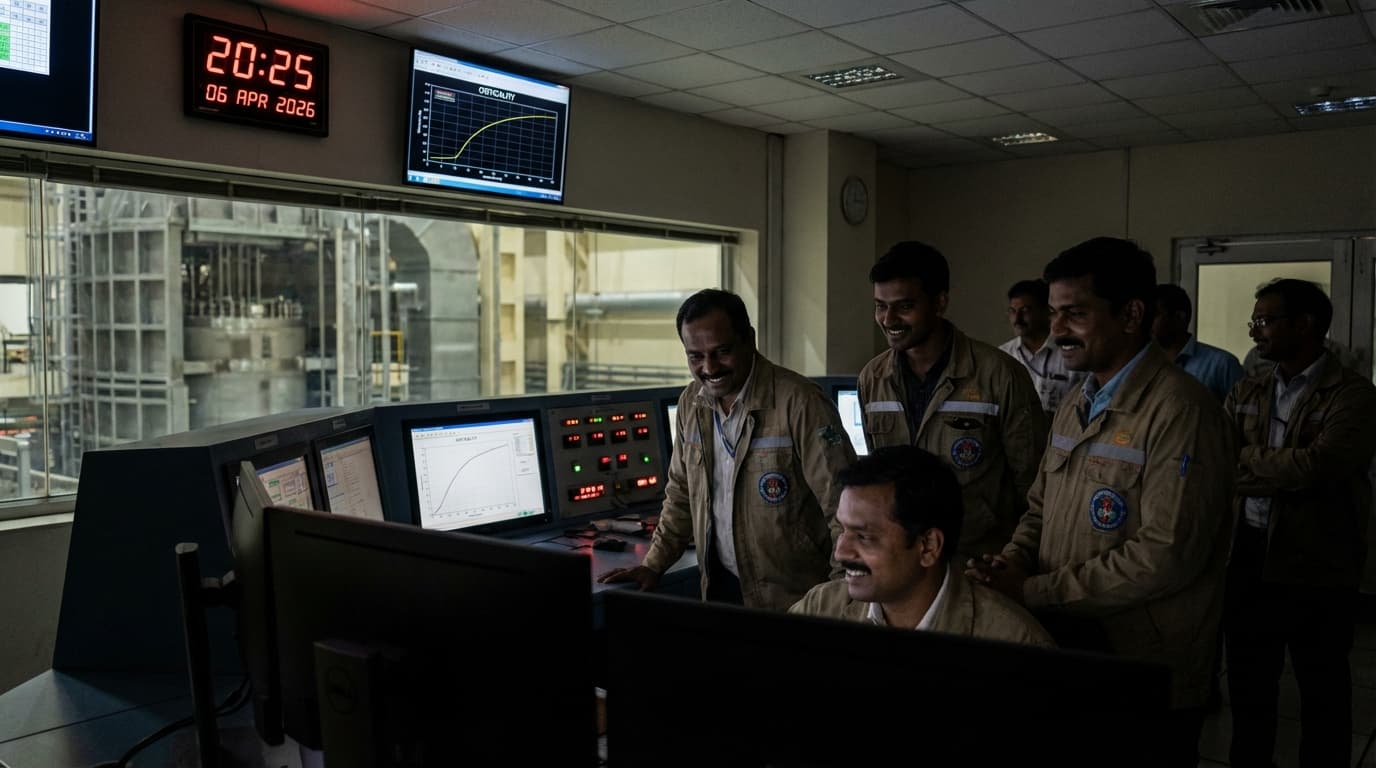
India’s PFBR Hits Criticality: 500 MWe Milestone, 2nd After Russia, Thorium Unlocks Energy Security
Science

India’s PFBR Hits Criticality: 500 MWe Milestone, 2nd After Russia, Thorium Unlocks Energy Security

India’s 500 MWe Prototype Fast Breeder Reactor at Kalpakkam achieved criticality on April 6, 2026, at 8:25 PM, advancing to Stage II of its three-stage nuclear program. Only Russia previously operated a commercial fast breeder, following US and French failures despite billions invested. The milestone targets vast thorium reserves for sustained energy security and lower import reliance.

18 MIN
Particle Physics Breakthroughs and Regenerative Medicine Advance Science in March 2026
Science

Particle Physics Breakthroughs and Regenerative Medicine Advance Science in March 2026

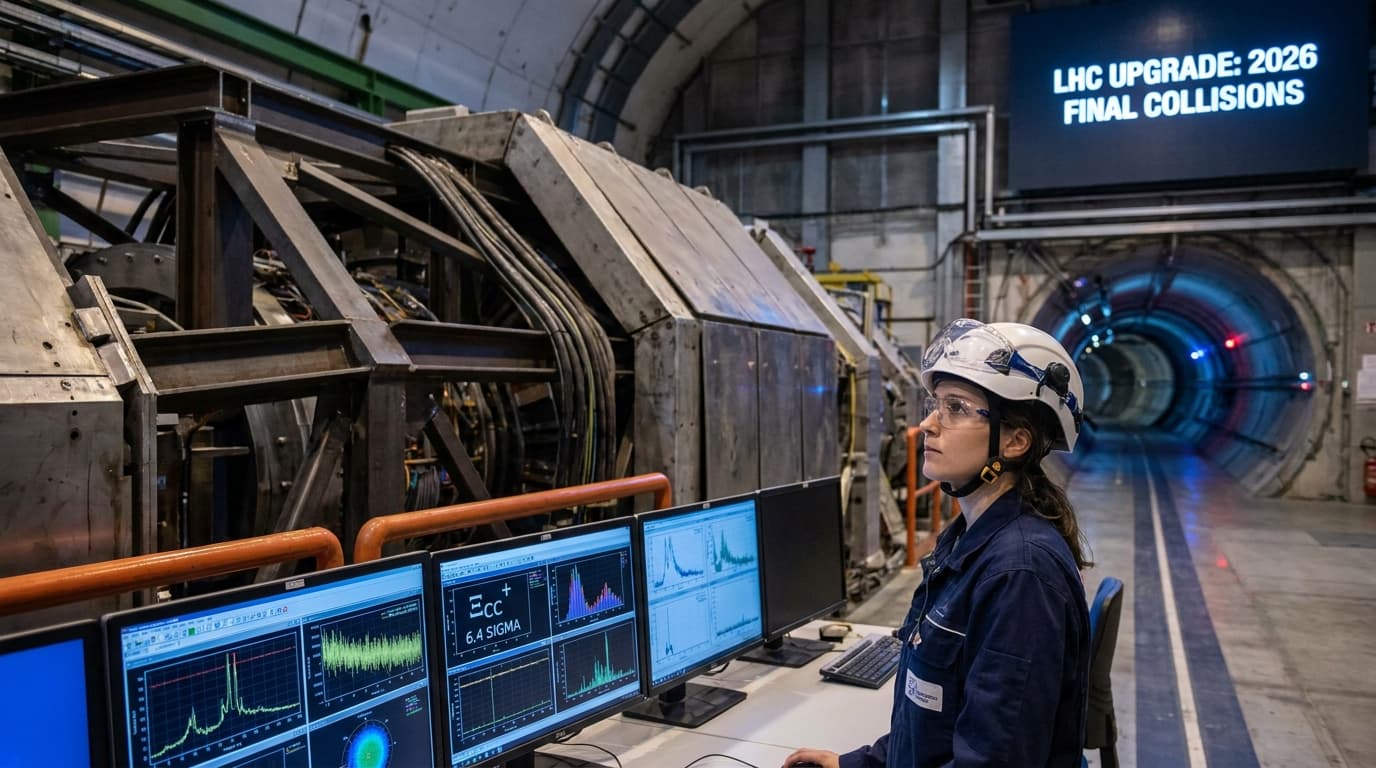
CERN’s LHCb experiment announced on March 17 the discovery of the doubly charmed baryon Ξcc⁺ with high statistical significance, resolving prior experimental discrepancies. On March 20, Great Ormond Street Hospital and University College London scientists created the first lab-grown oesophagus, fully replacing a section in a growing animal model without immunosuppression. These advances, alongside March 24’s first road transport of 100-1,000 antiprotons over five kilometers, signal momentum for medical and industrial applications worth billions.

18 MIN
Longevity, Energy Breakthroughs and Space Probes: Science Redefines Human Resilience Frontiers
Science

Longevity, Energy Breakthroughs and Space Probes: Science Redefines Human Resilience Frontiers

The 2nd World Congress on Targeting Longevity in Berlin signals a paradigm shift, redefining aging not as a flaw but as a loss of biological coordination, emphasizing system-level resilience. Concurrently, hybrid solar cells surpassing 34% efficiency, sodium-ion battery commercialization, and opioid-free painkillers herald rapid technological progress. These advances at the biology-energy nexus challenge humanity’s ability to sustain vital coordination amid 21st-century pressures.

18 MIN
    VANTAGE | Intelligence for In-depth Analysis